
Chelsea Flower Show 2024
Paisajistas – Tom Massey y Je Ahn
We remain in constant evolution and in touch with global landscaping trends.
Next year, we will be participating in the Landscape Festival in Bergamo, Italy, because we strongly believe in the importance of connecting with spaces that nurture our perspective as landscape designers and strengthen our practice through reflection, exchange, and inspiration.
At the Lola Capurro Landscape Studio, we greatly value those events, where the culture of the landscape is intensely experienced. In its 2026 edition, the festival will feature international talks and conferences addressing global challenges such as climate crisis, loss of fertile soil, urban biodiversity, and sustainable mobility.
One of the festival’s most anticipated moments will be, as every year, the creation of the iconic “Green Square” in Piazza Vecchia — an ephemeral garden designed by renowned landscapers, inviting reflection on the relationship between humans, nature, and the soil as a vital resource.
We will also participate in workshops, masterclasses, and technical seminars, exploring nature-based solutions, ecological design strategies, and practical tools for creating more resilient landscapes.
Additionally, the International Meeting of Landscape and Garden will bring together professionals from around the world to discuss urban planning, ecology, and landscape design from an integrative perspective.

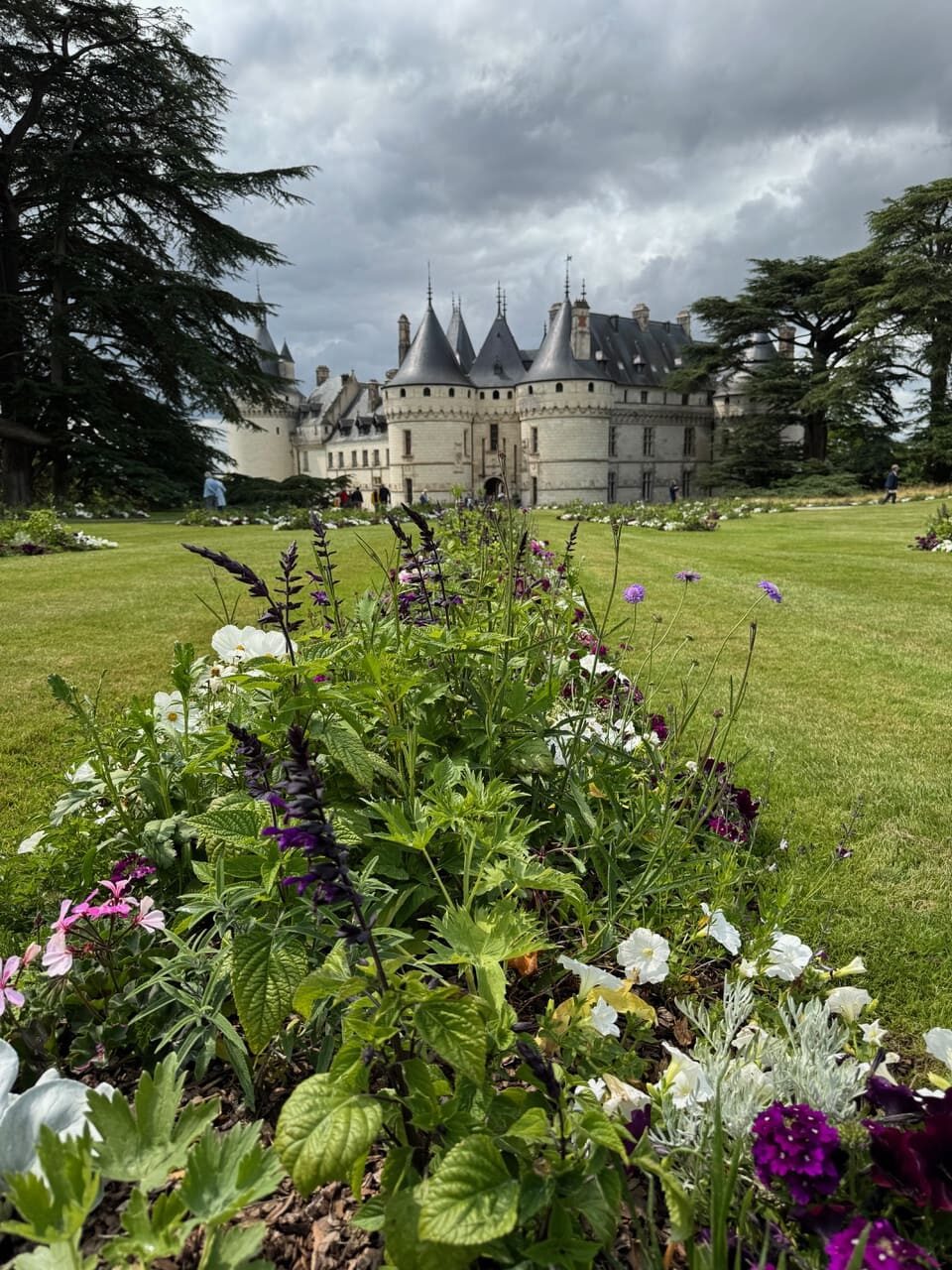
Visiting the 2025 International Garden Festival at Chaumont-sur-Loire was like stepping into an open storybook of landscapes. Each of the 25 “fairy-tale” gardens invited visitors to wander through imaginary worlds inspired by tales such as One Thousand and One Nights, Perrault, or Andersen, transforming nature into a living narrative.
Titles like Rhapsodie Himalayenne, L’île de la Félicité, 100 ans de sommeil, and Le jardin des pouvoirs magiques evoked emotions, memories, and wonder. The 2025 edition took us on an emotional and ecological journey, where innovation was present in every corner: unprecedented materials, surprising botanical combinations, and a deep commitment to sustainability intertwined to tell stories that liberate, inspire, and transform the way we perceive the landscape.
It was a unique sensory experience, where landscape design became living poetry.
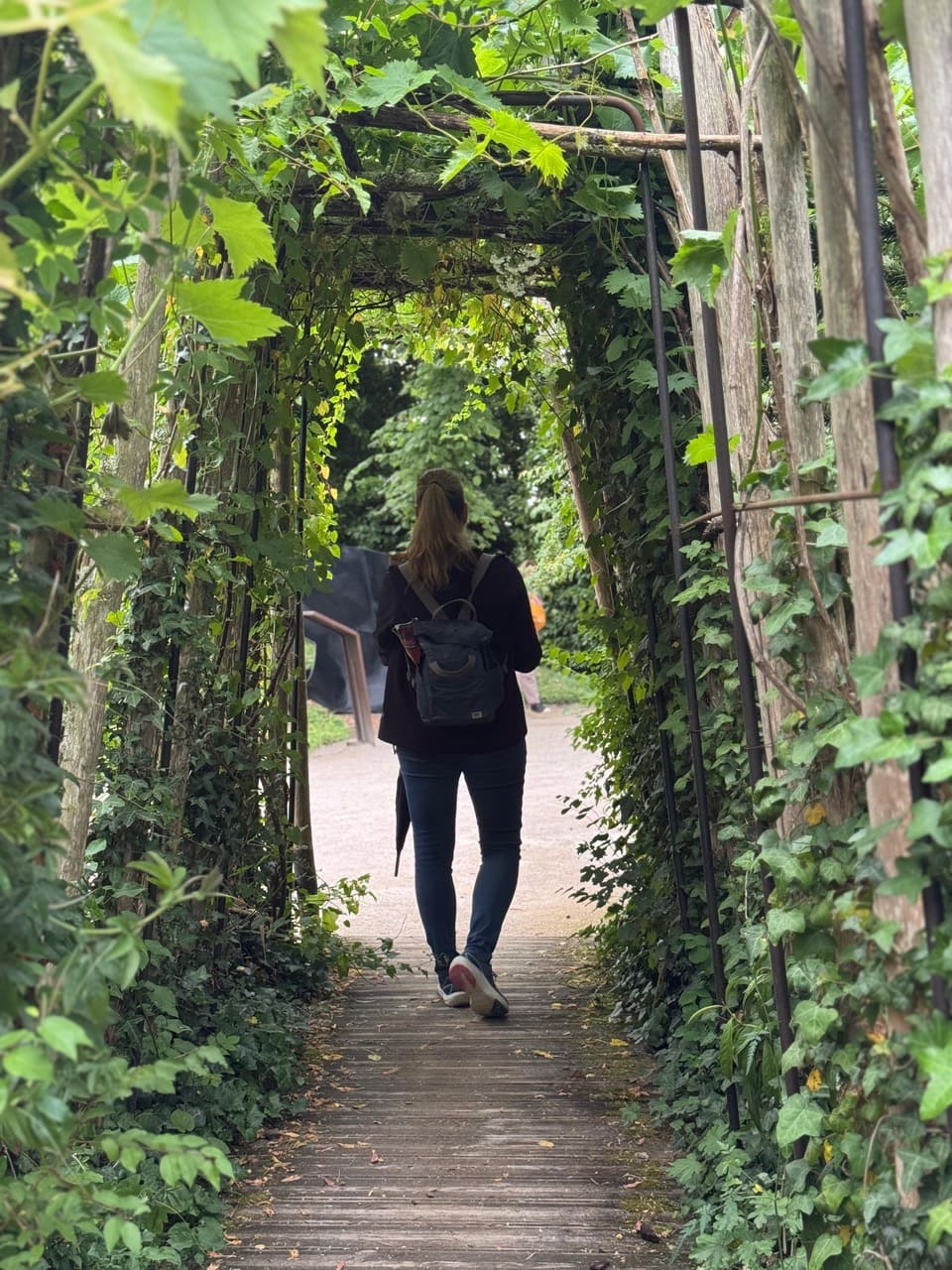
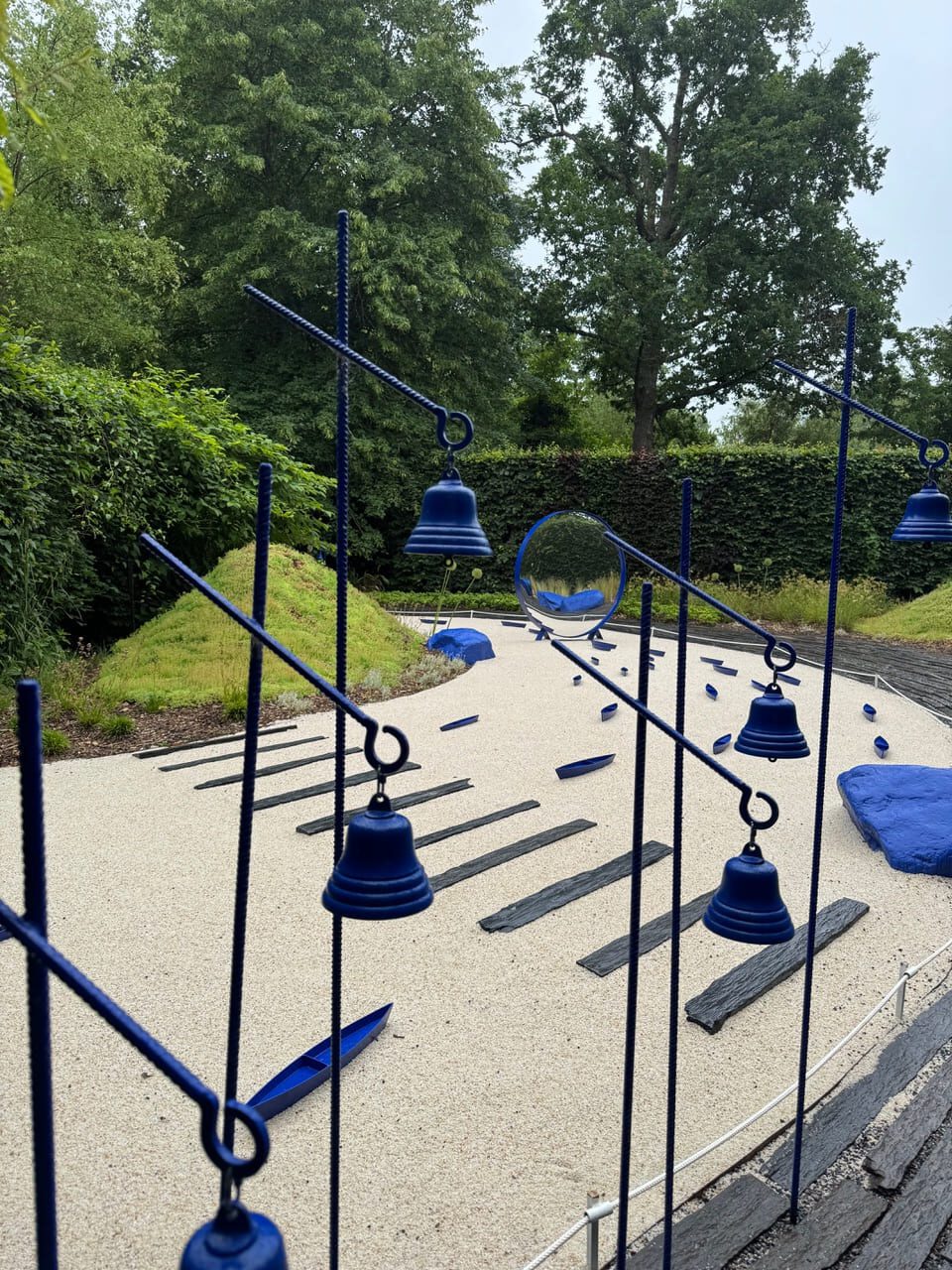
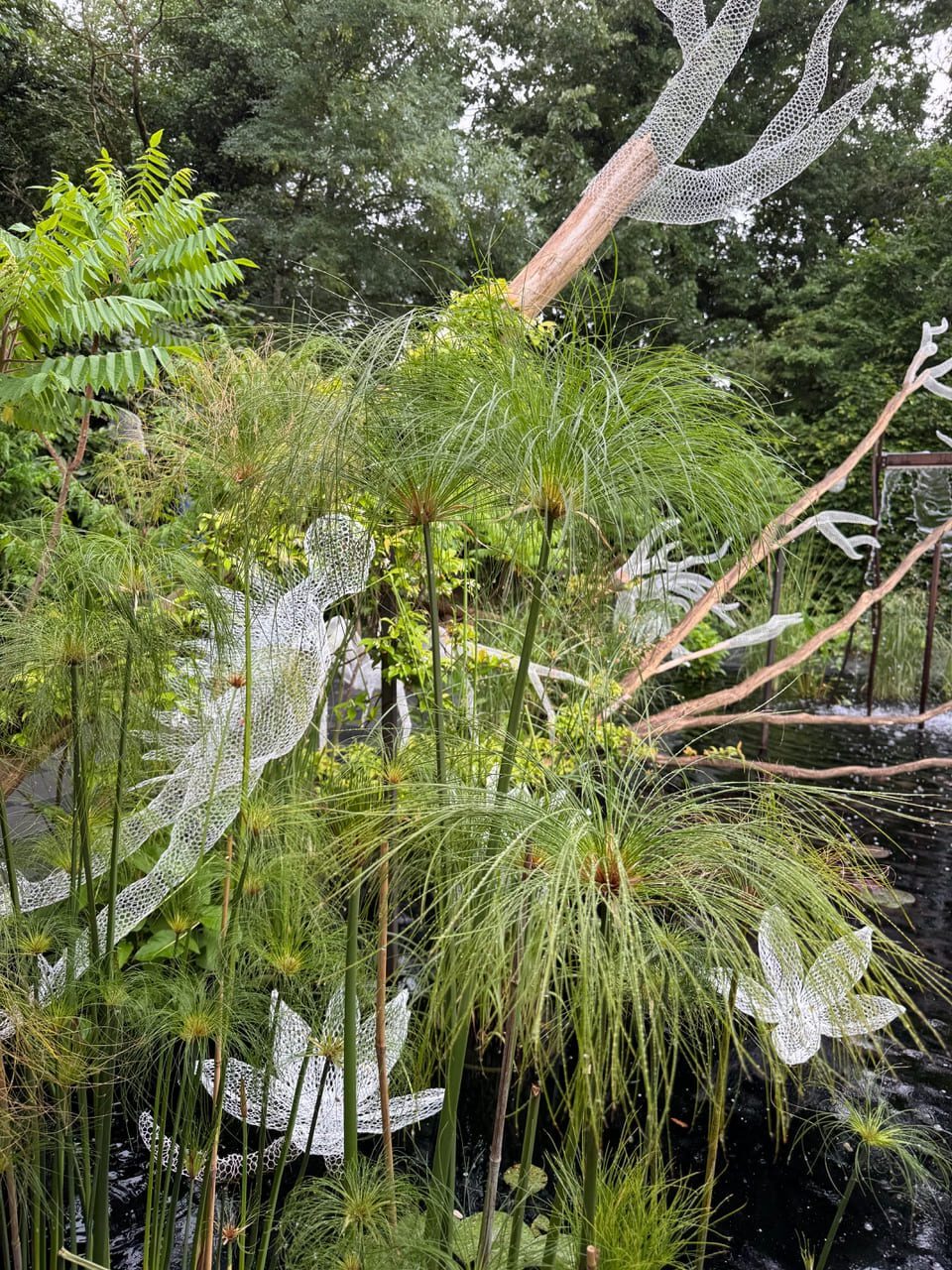
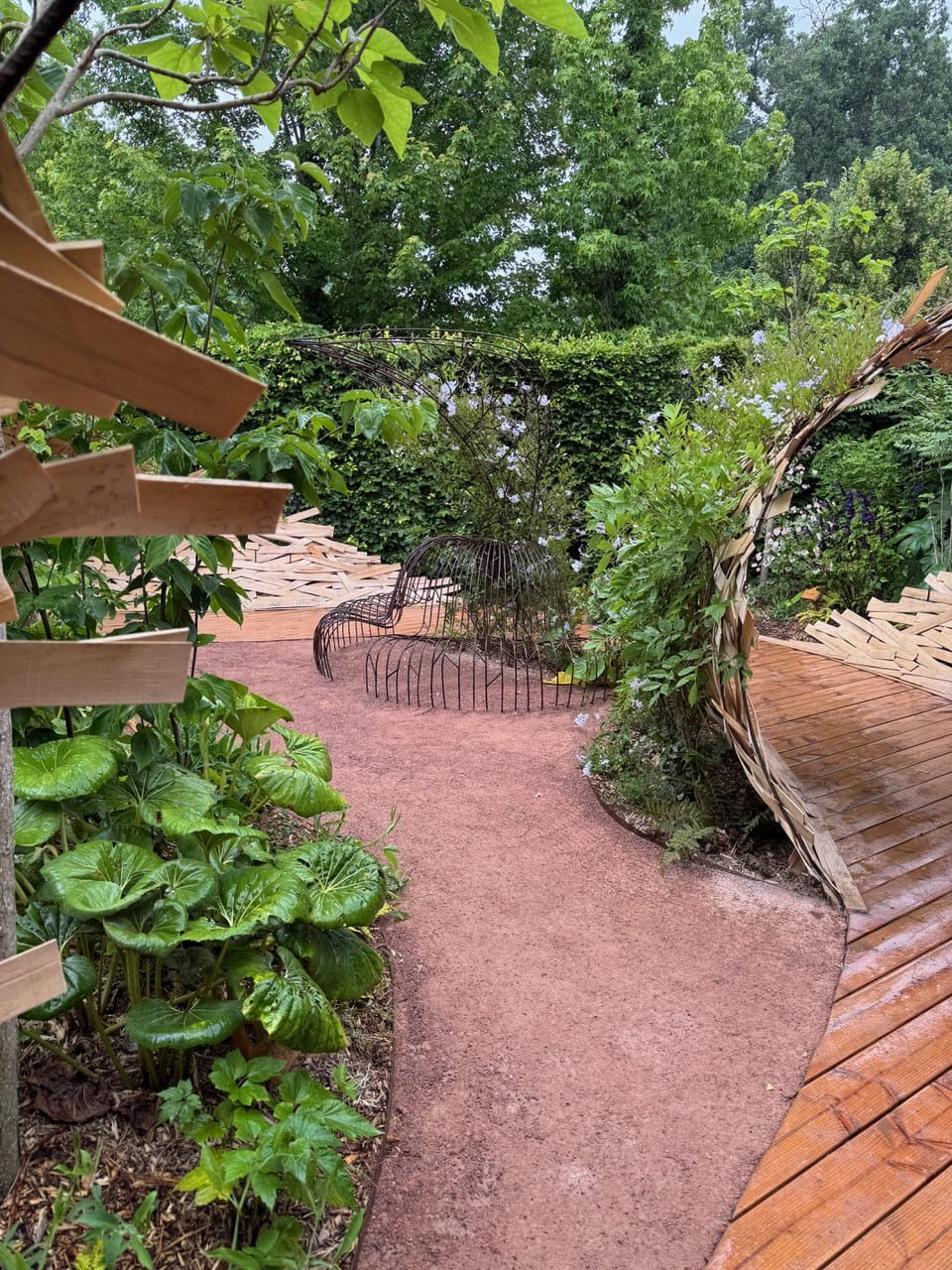
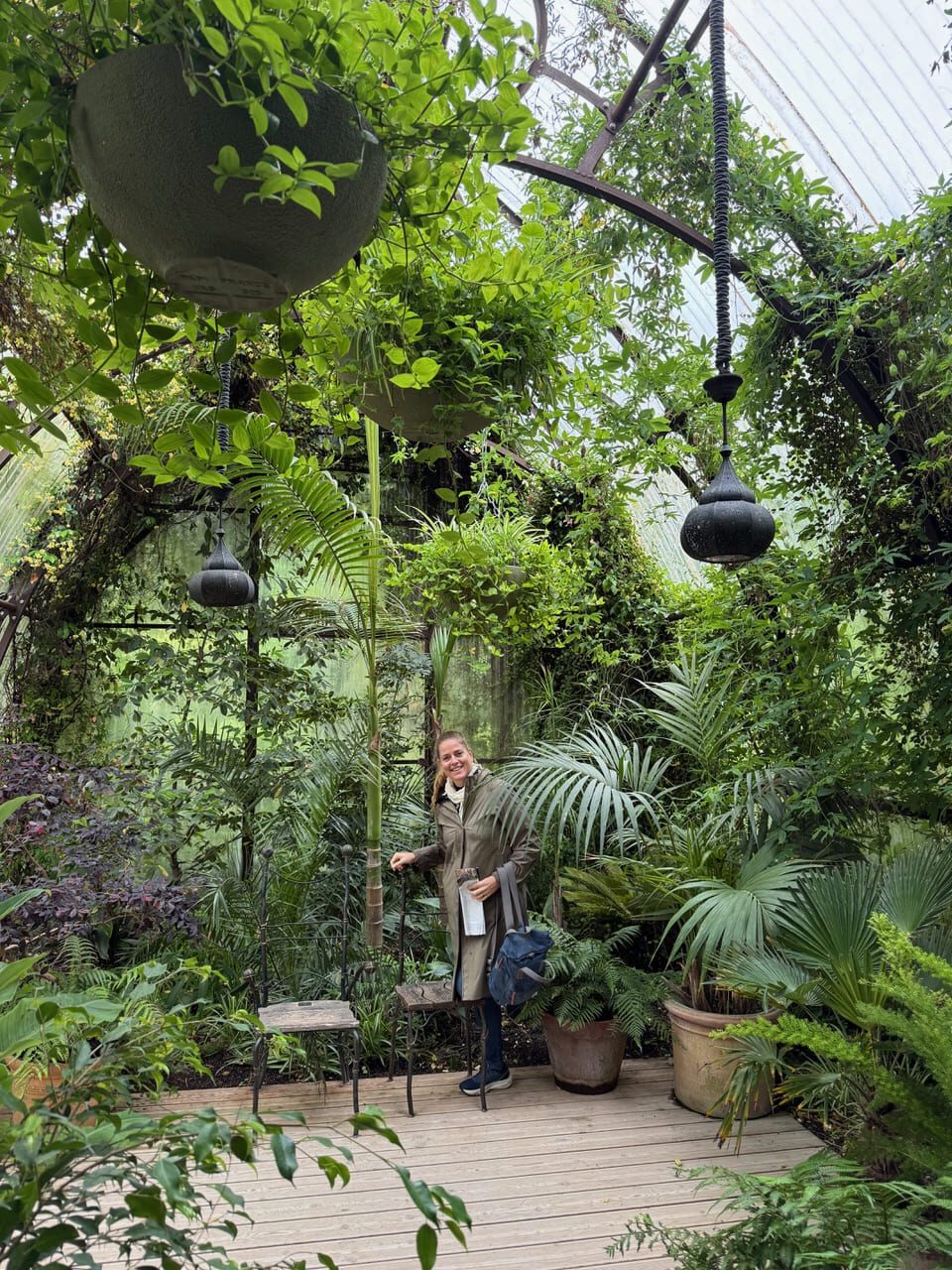
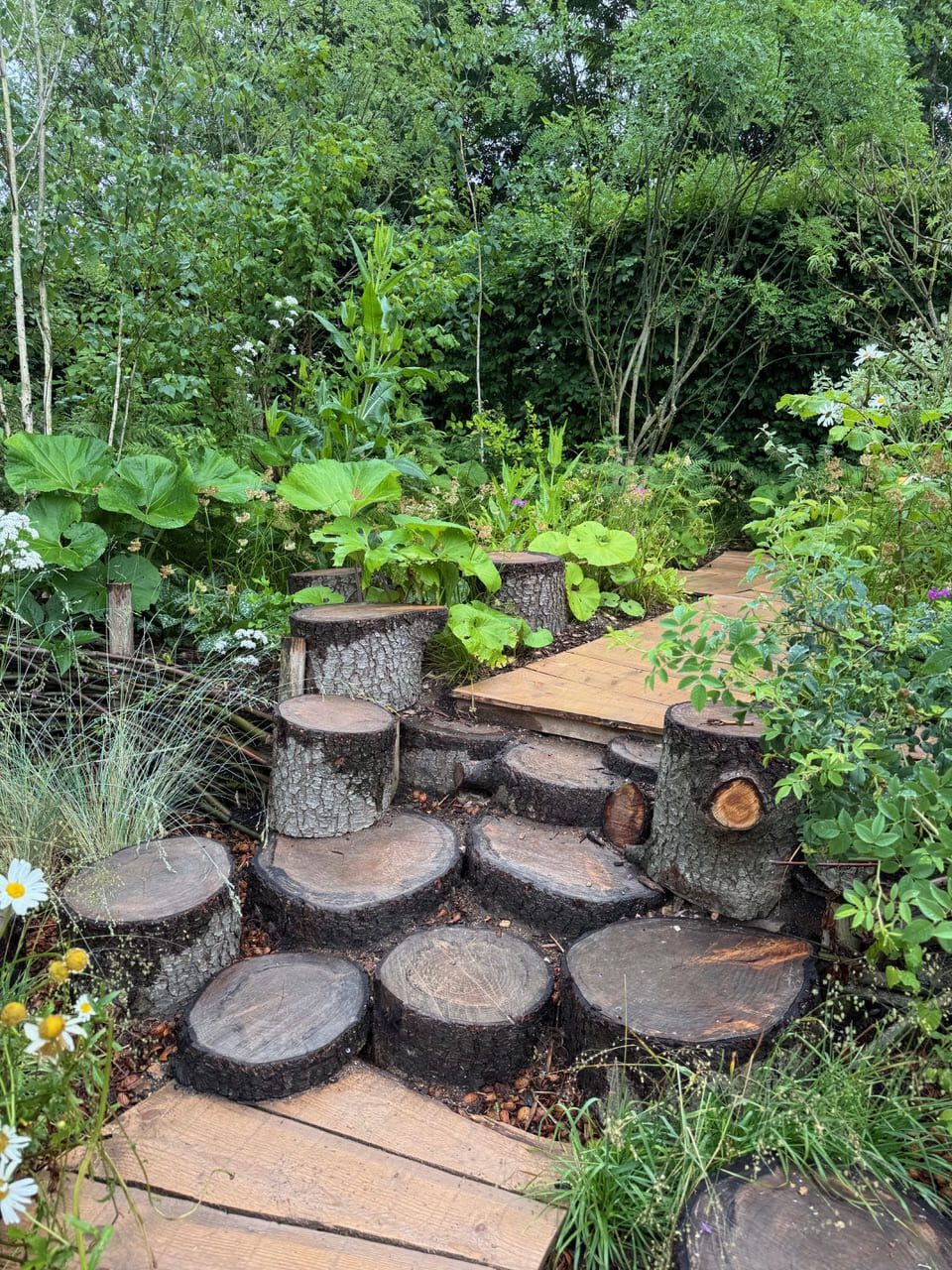
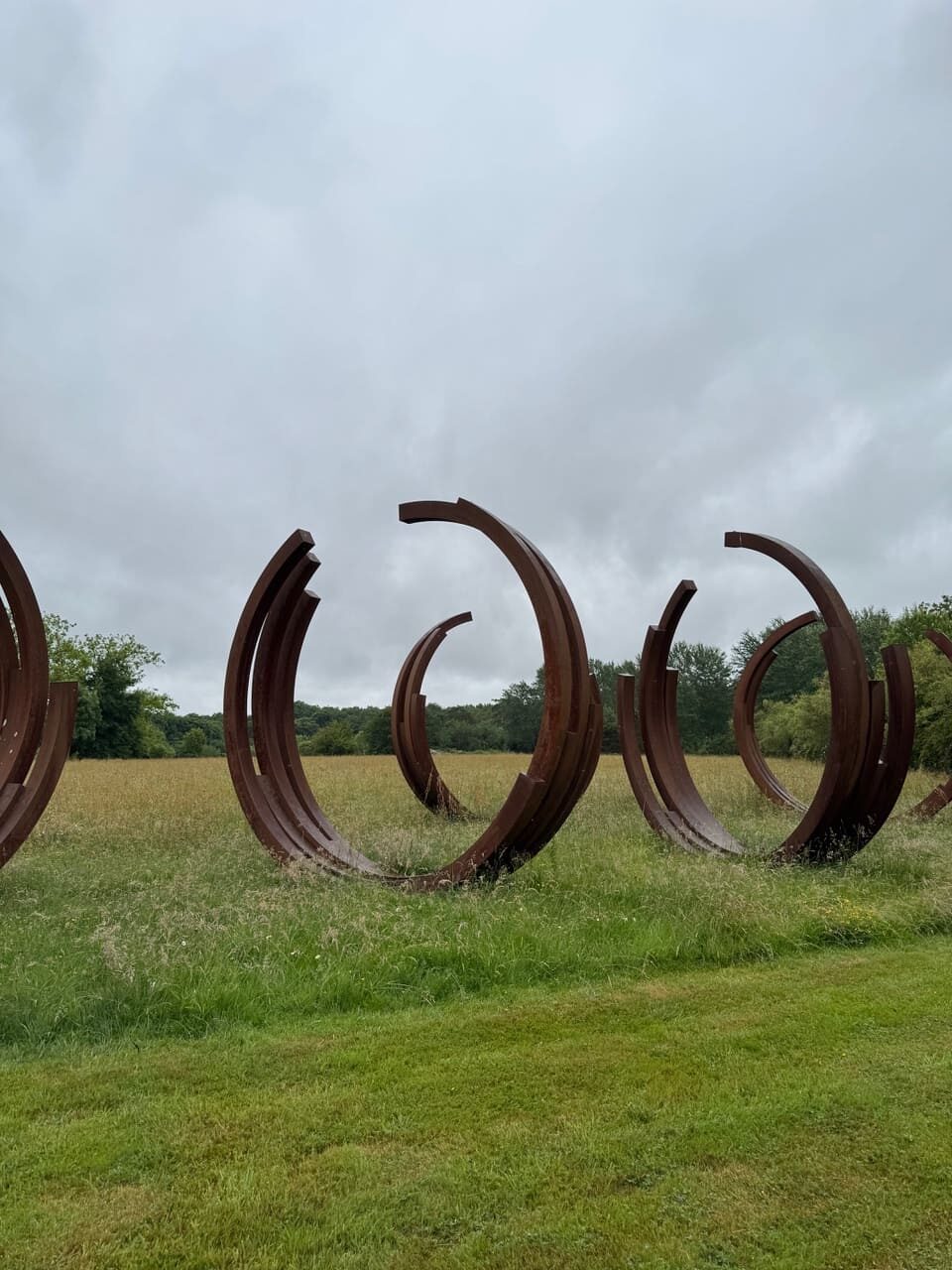
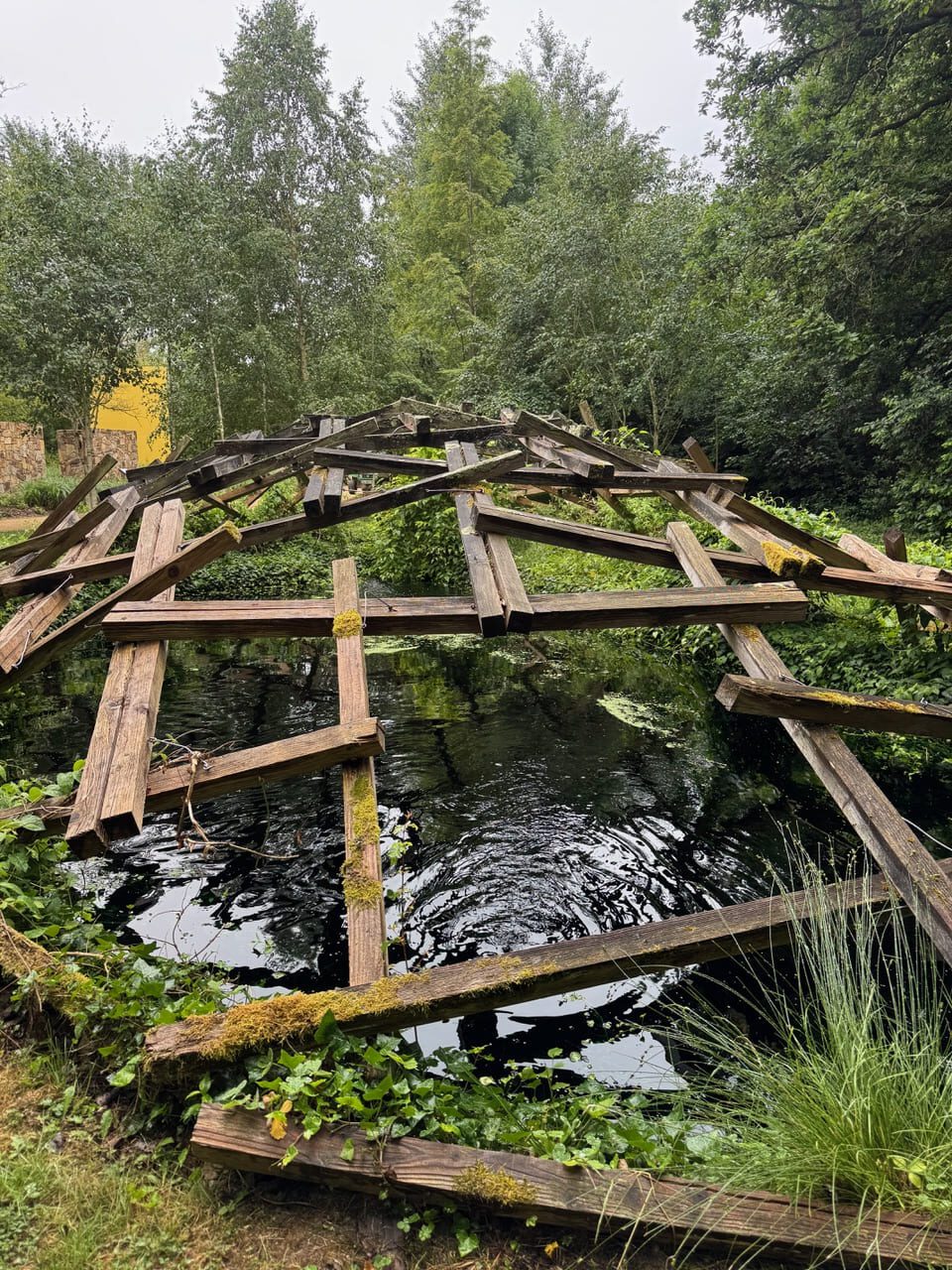
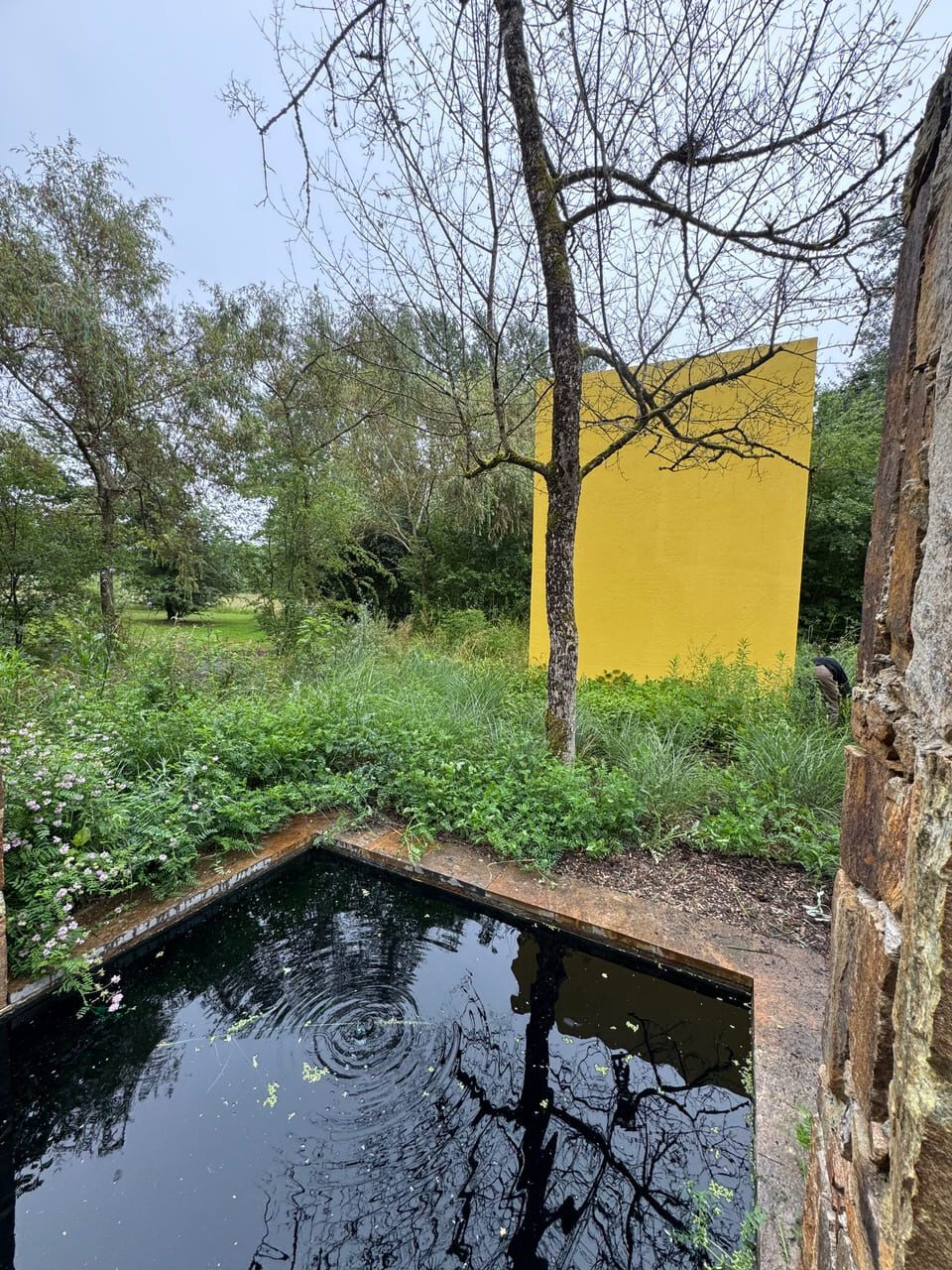
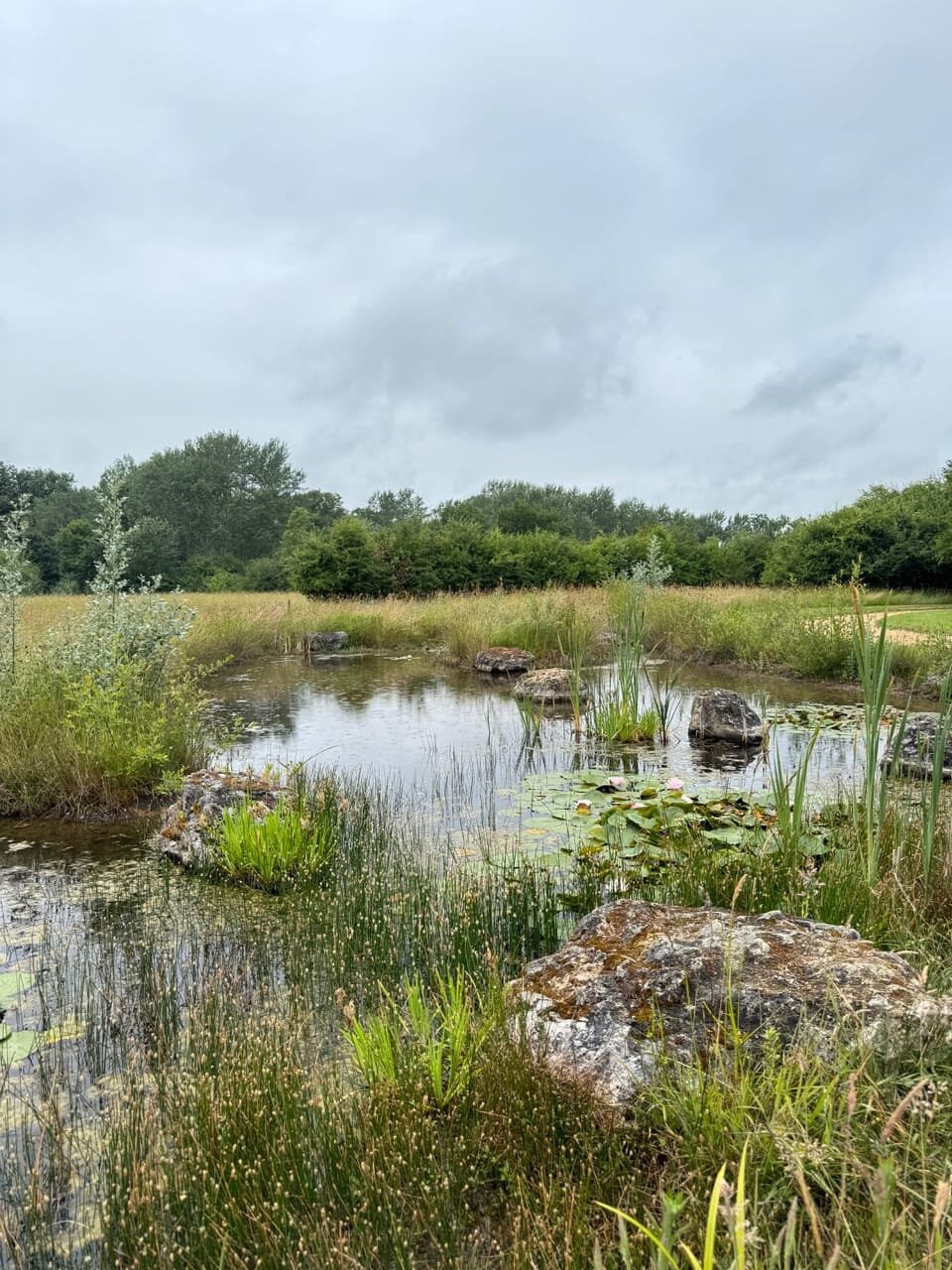
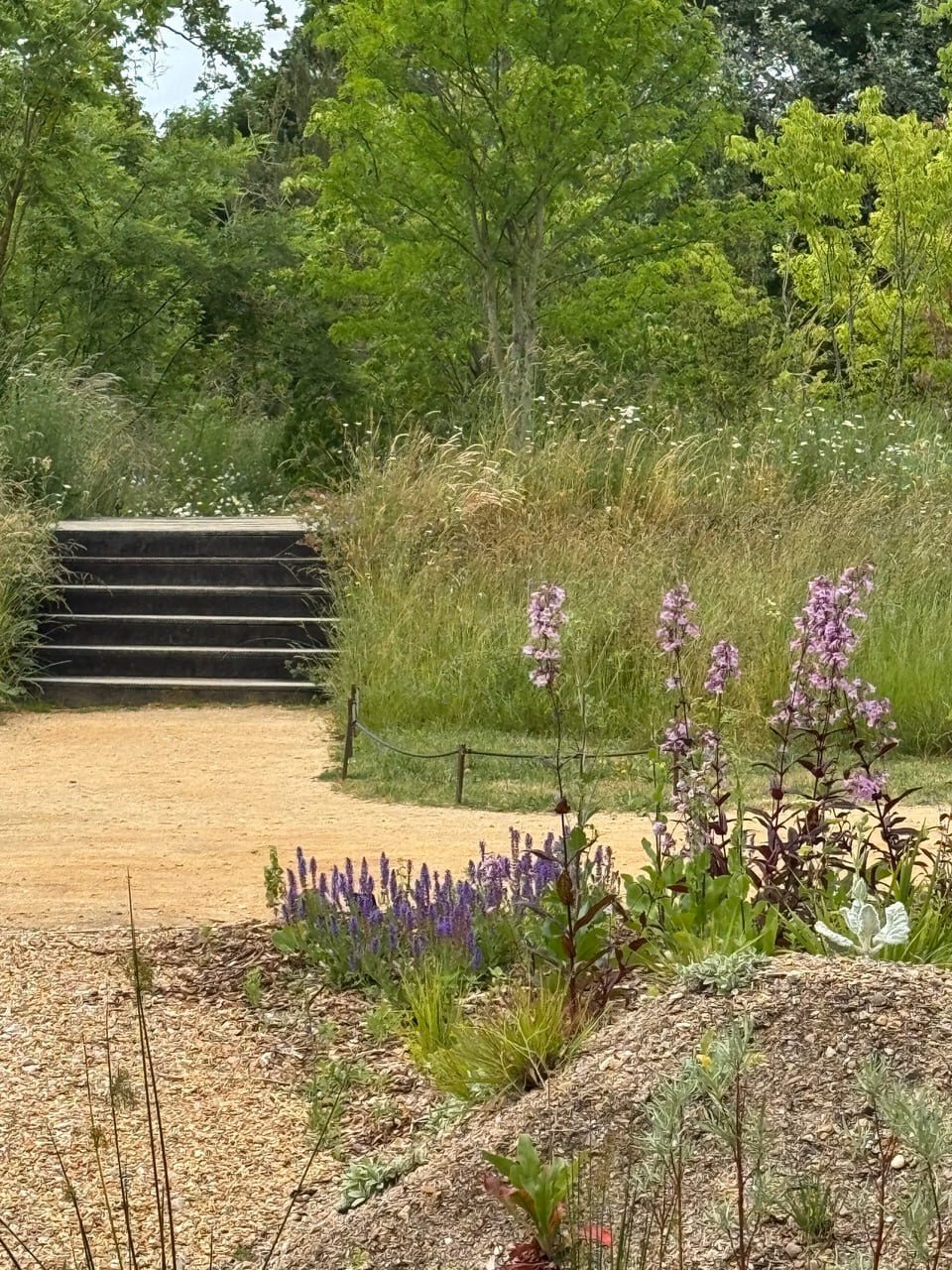
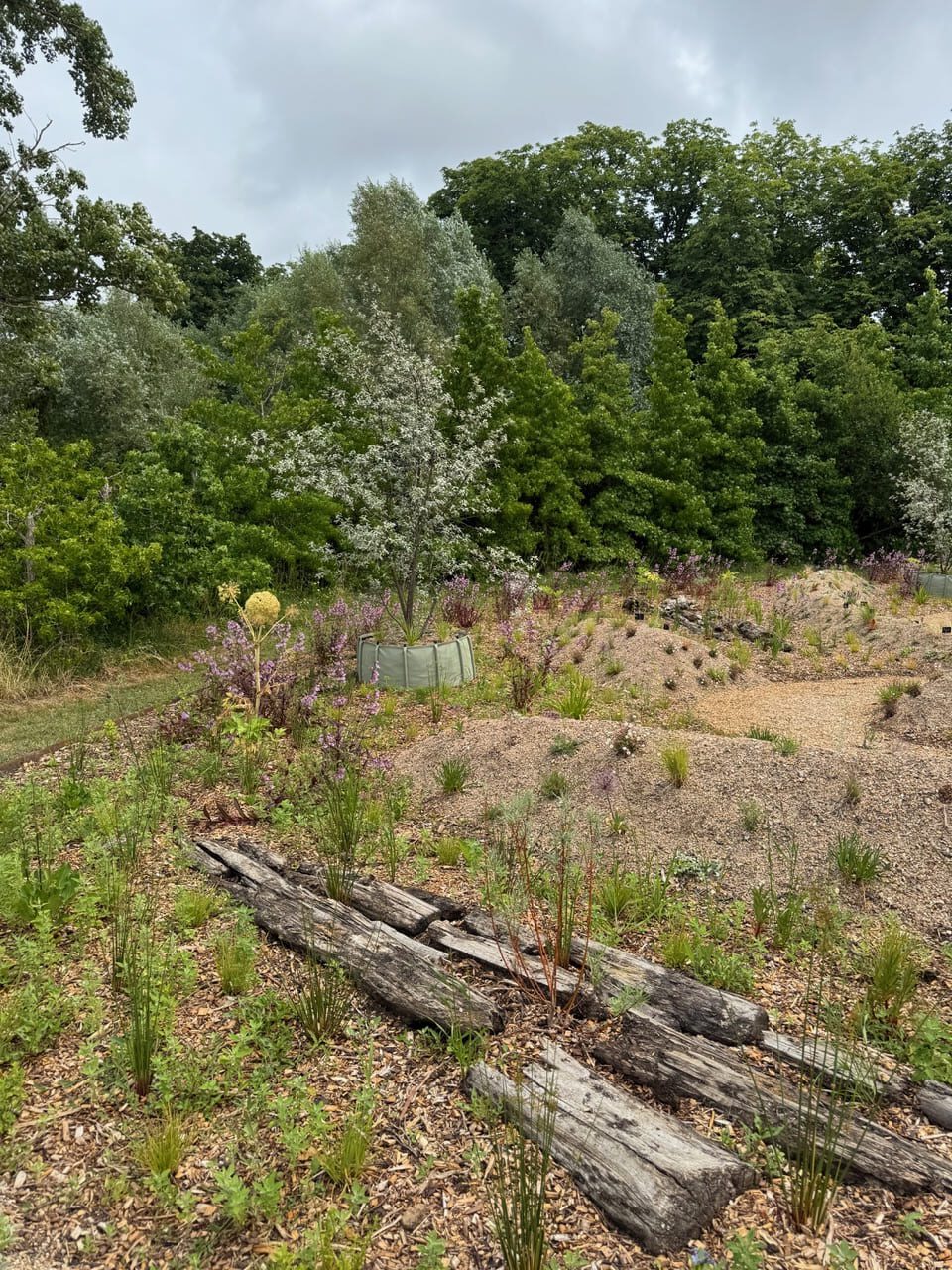
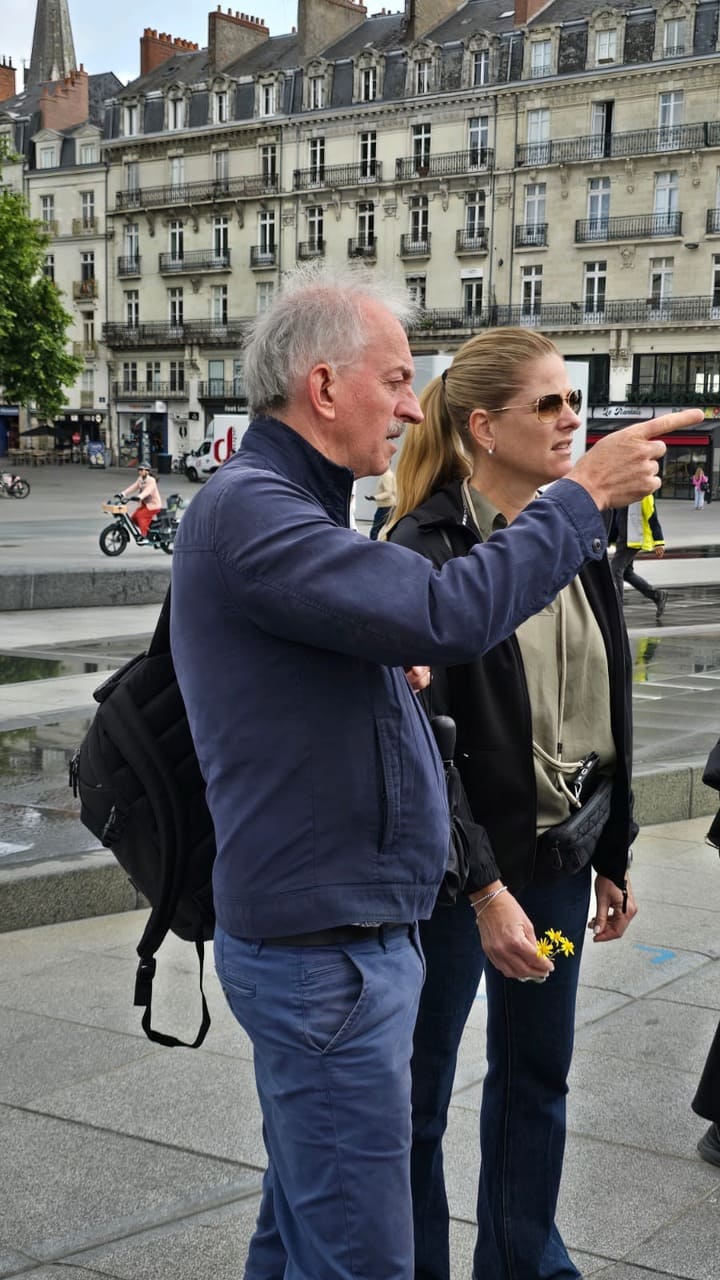
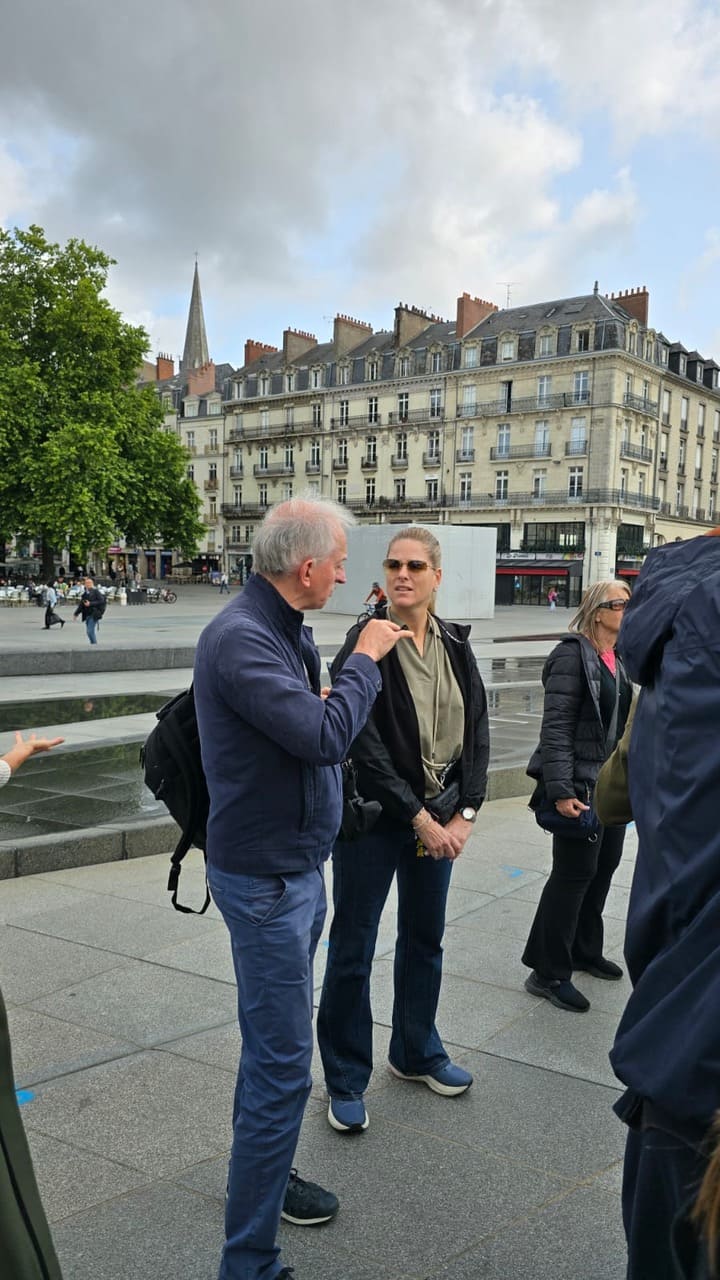
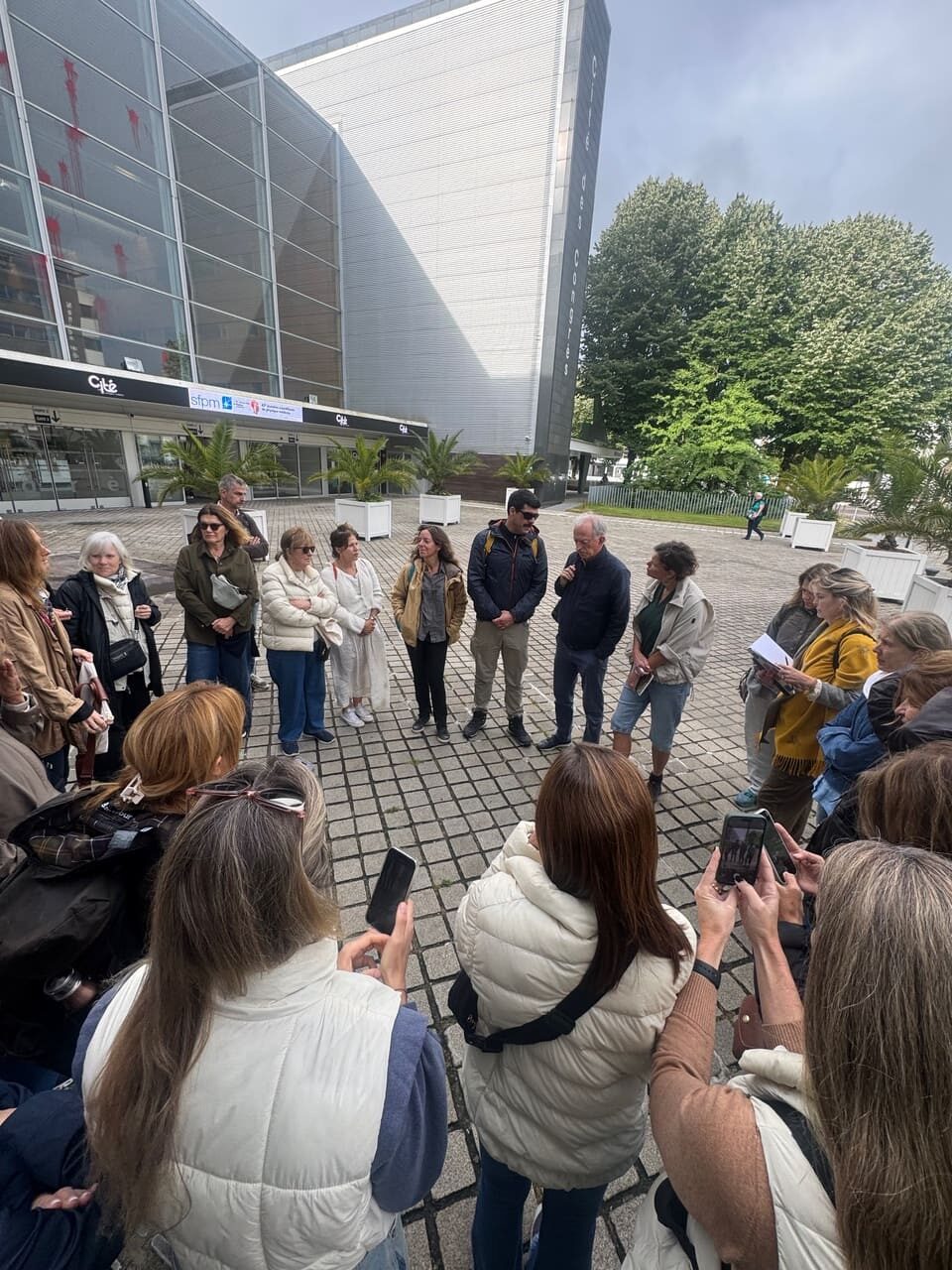
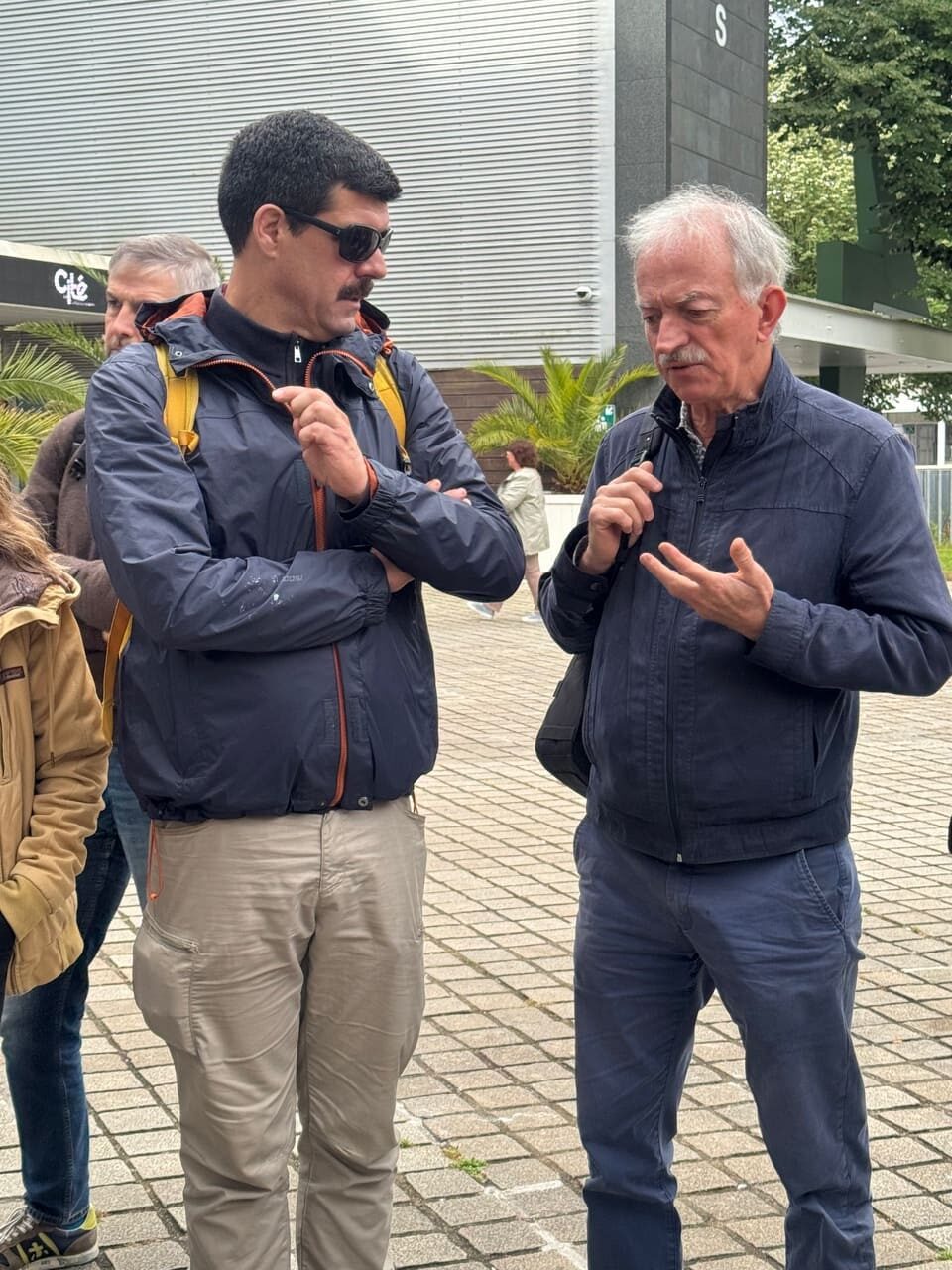
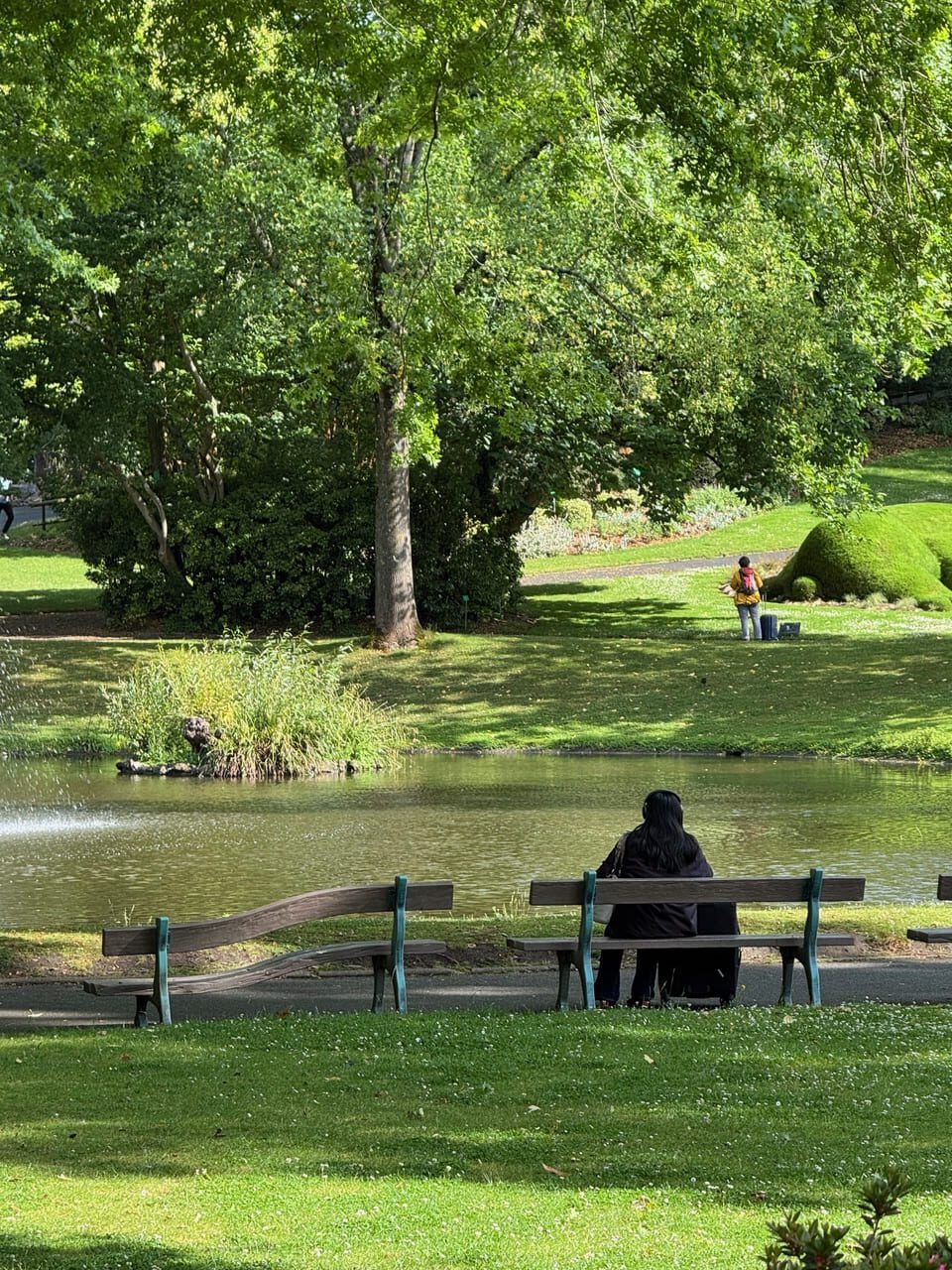
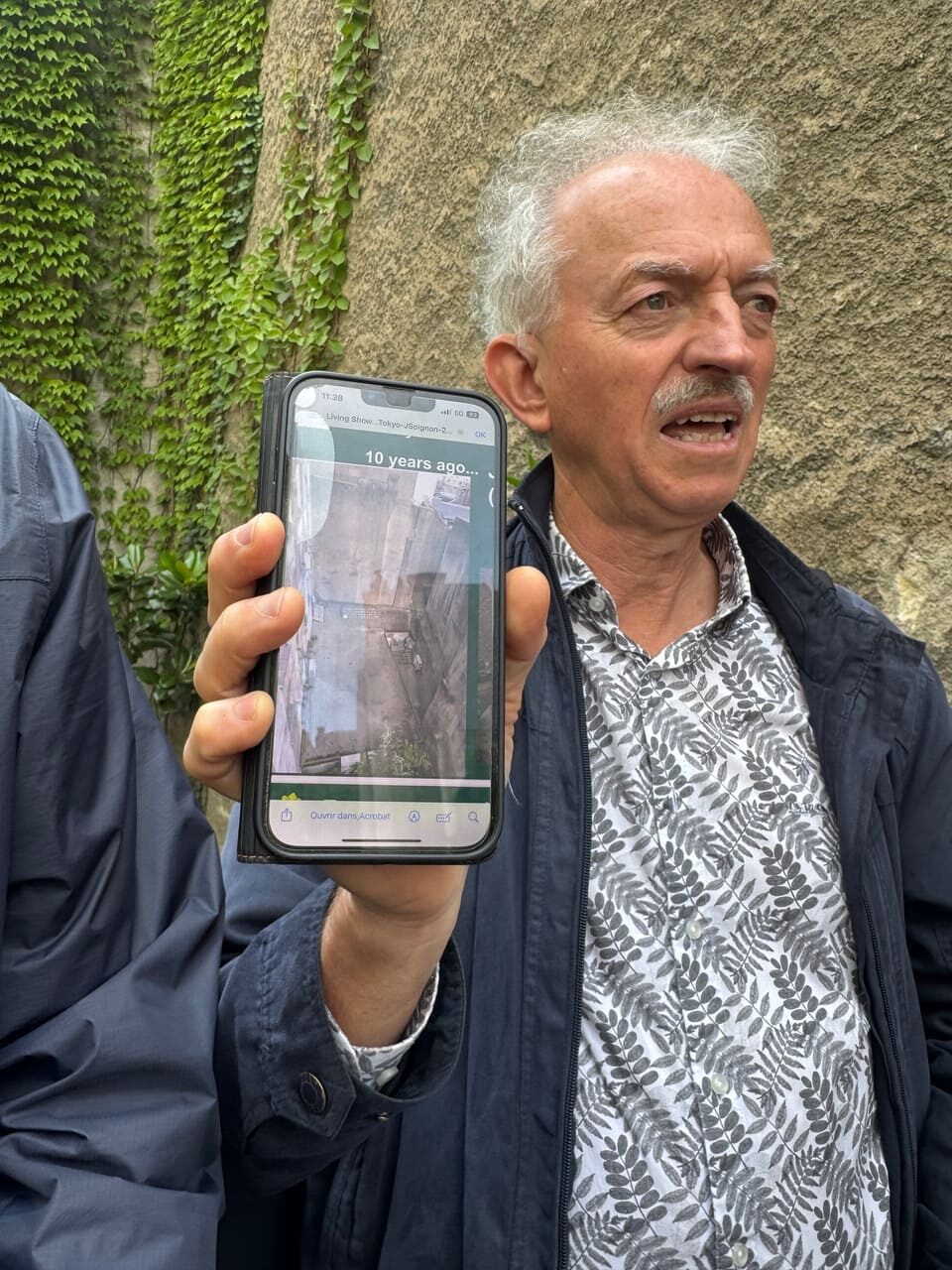
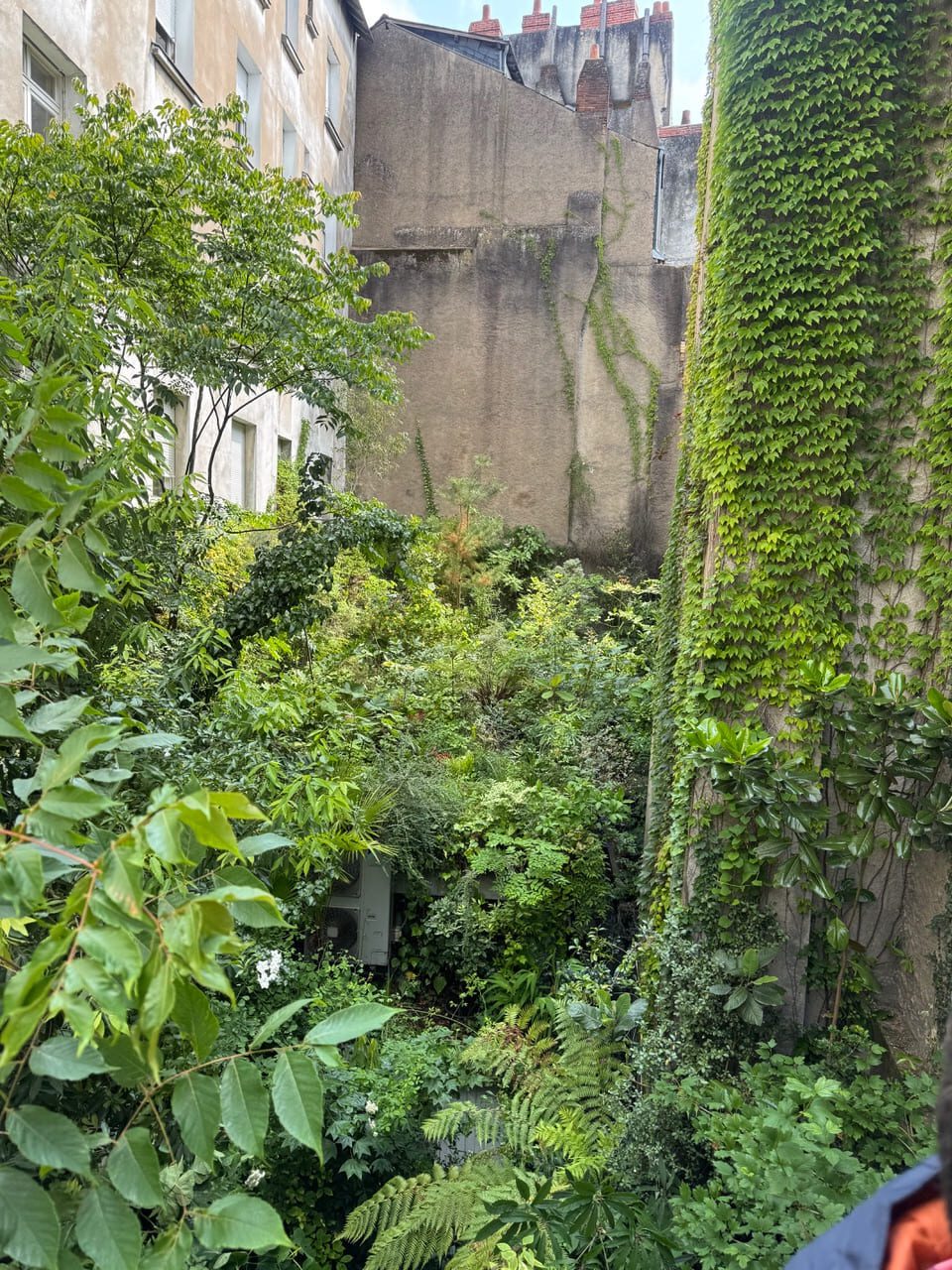
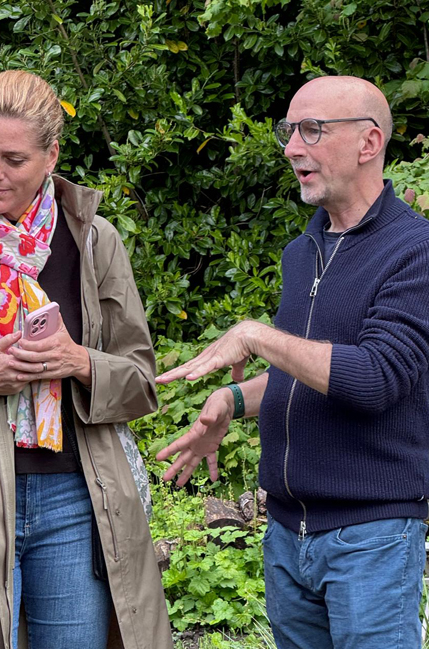
At the Lola Capurro Studio, we had the privilege of experiencing a profoundly inspiring encounter with Jacques Soignon, a leading figure in the urban landscape transformation of Nantes, France. His sensitive, technical, and deeply human perspective on the role of greenery in cities moved us and prompted reflection on our own role as landscape designers.
During our visit, what struck us most was the high level of citizen participation throughout the city’s transformation process. Jacques firmly believes that a city cannot change without its inhabitants, demonstrating this through participatory design processes where neighbours, technicians, and authorities come together to imagine, create, and care for new spaces.
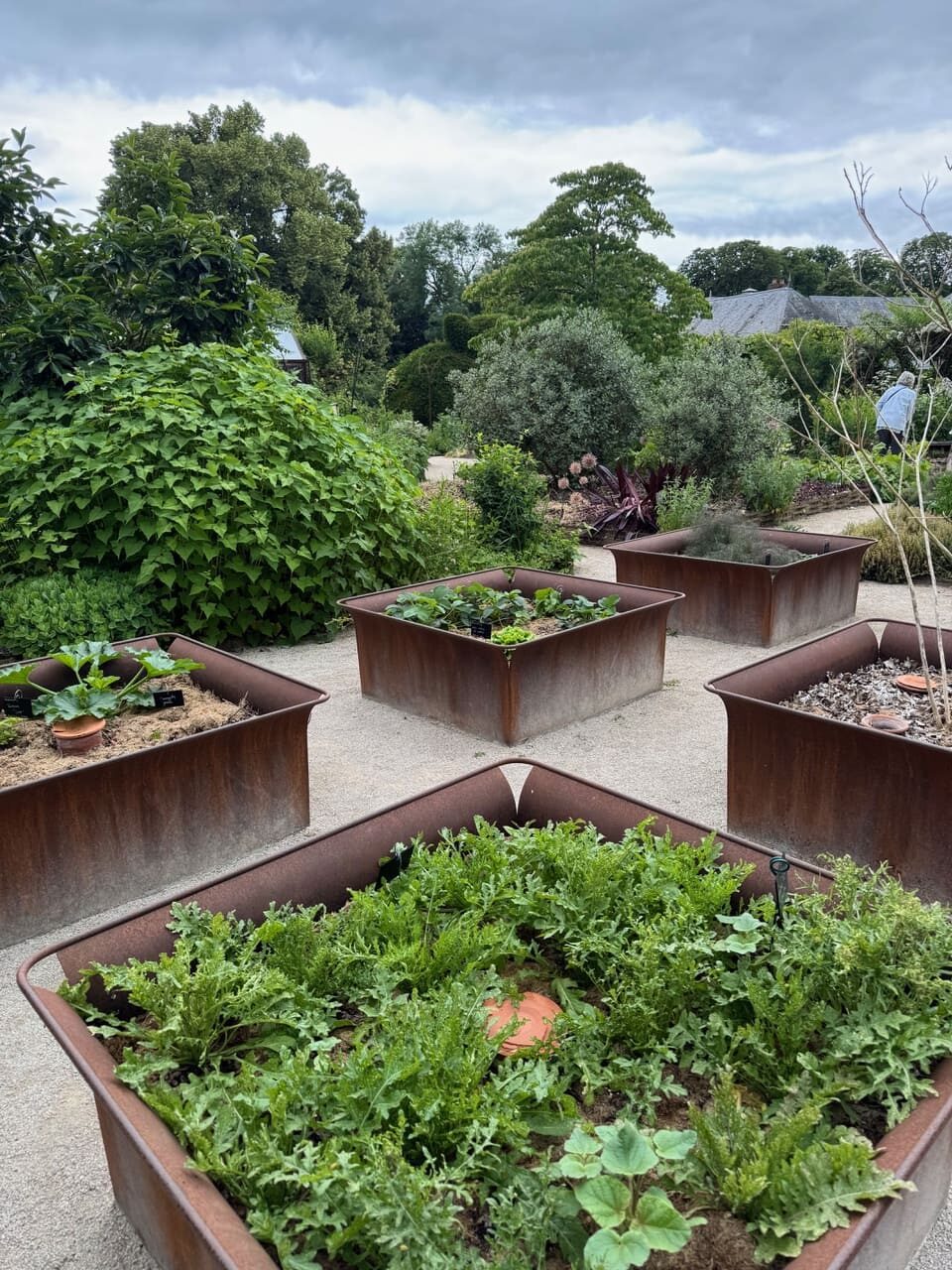
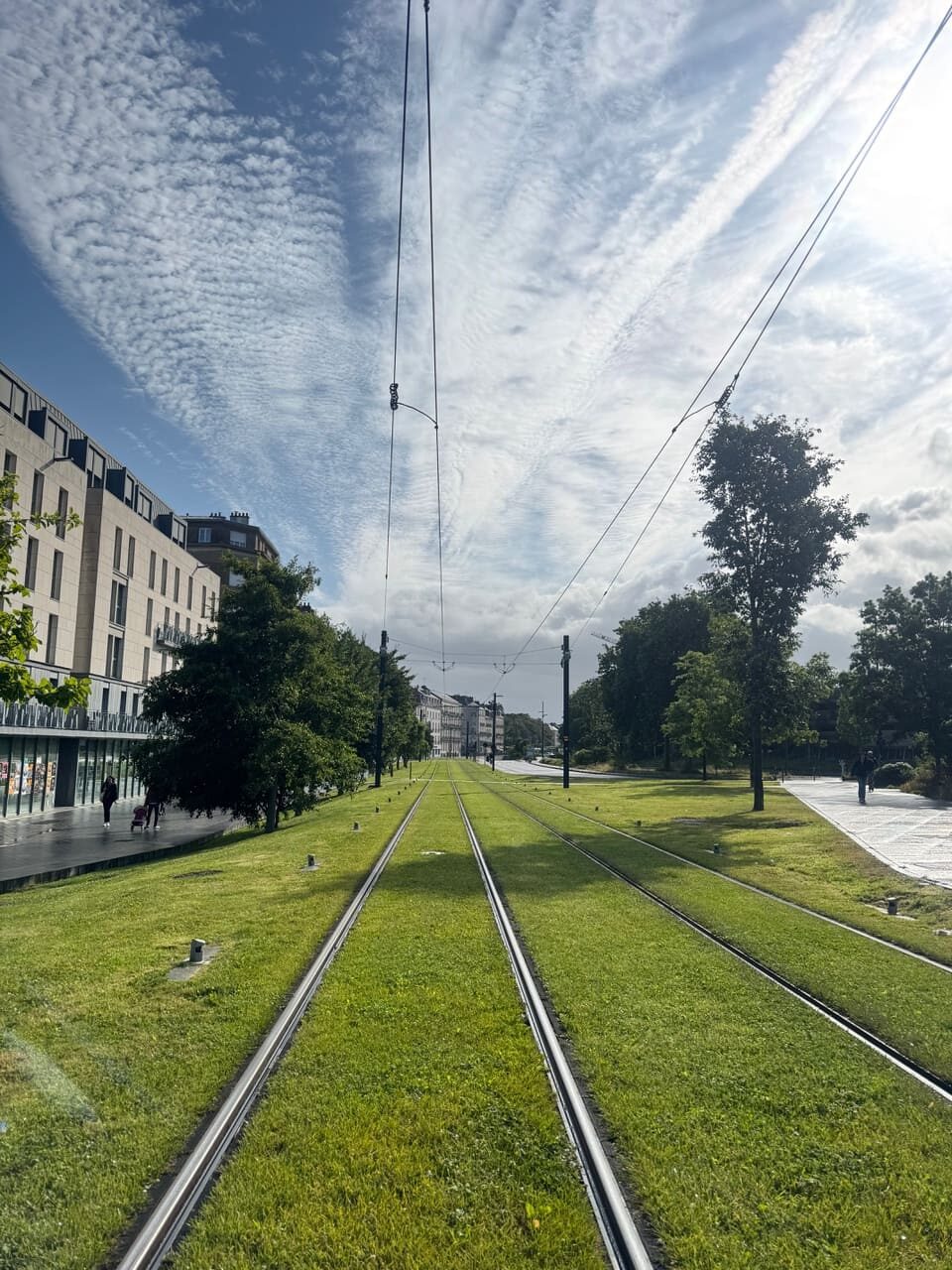
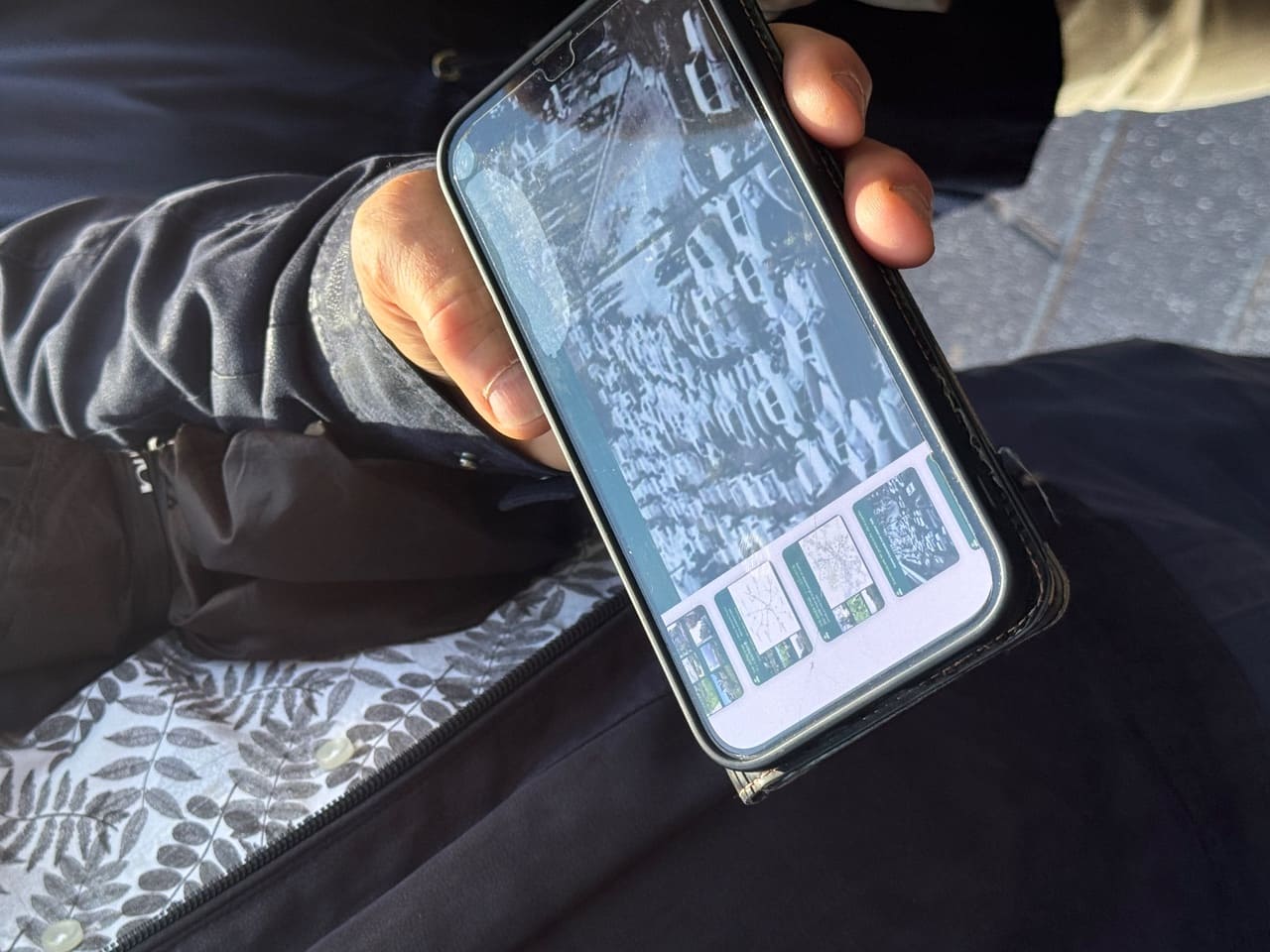
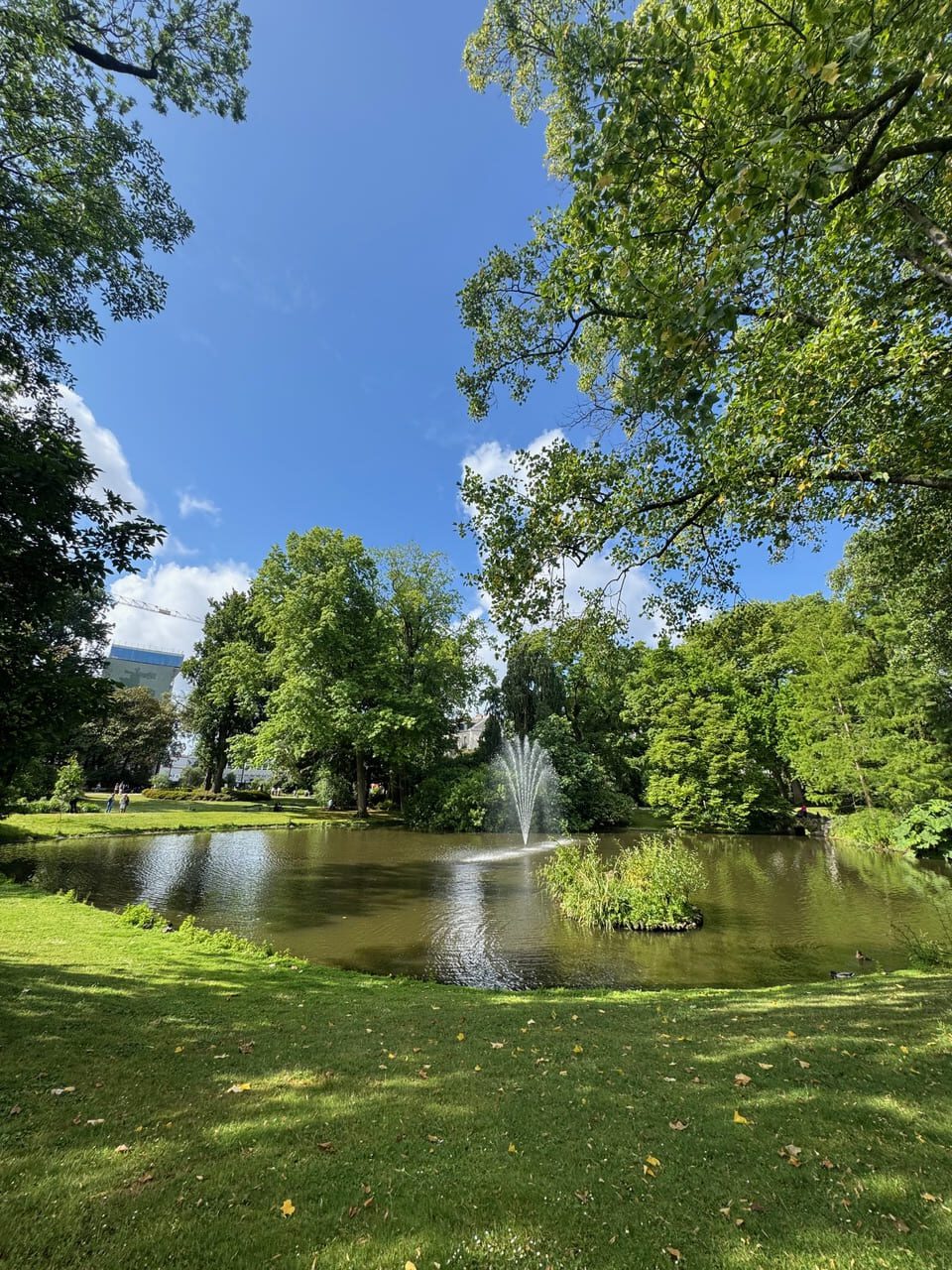
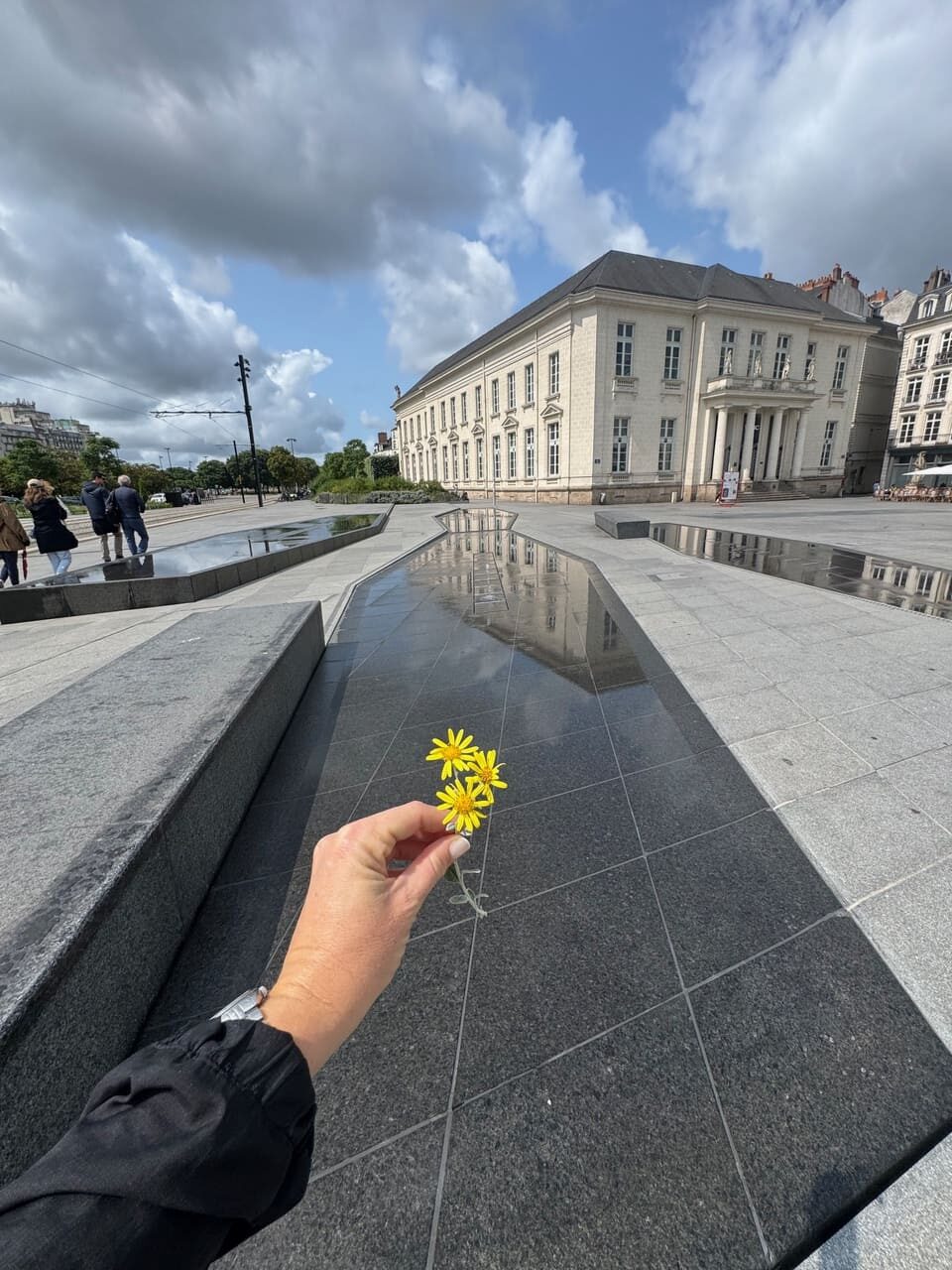
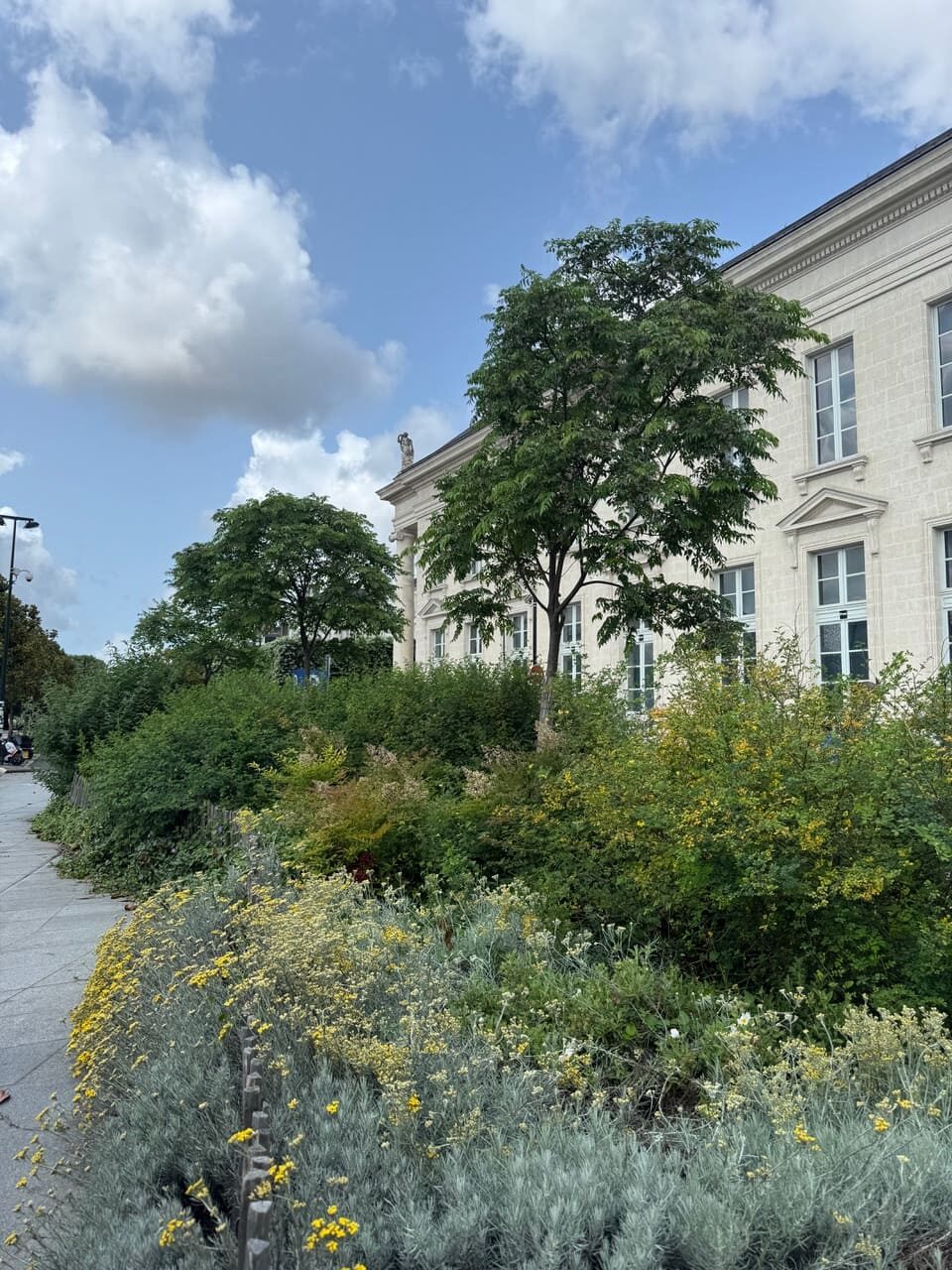
We explored vast areas that were once parking lots or impermeable surfaces, now transformed into green lungs filled with biodiversity, shade, and social gathering spaces. Streets have been redesigned for pedestrians, parks emerge where concrete once dominated, and vegetative structures coexist with urban life in perfect harmony.
His approach, based on the use of native species, low-maintenance strategies, local materials, and ecological design, is complemented by a cultural perspective: landscape as a vehicle for art, identity, and community well-being.
We return to Uruguay deeply inspired, committed to continuing our work in landscaping with a regenerative vision, where greenery is not just ornamental, but a tool to transform urban life, with the community at the heart of the process.
Jacques Soignon served as Director of the Green Spaces Service of Nantes (SEVE) from 2001 to 2021. A horticultural engineer with a master’s degree in ecology, he is a leading figure in urban landscape design and biodiversity. He transformed Nantes by driving projects such as greener and more inclusive streets, the 40-hectare Arboretum with over 3,000 species, and the “Landscape and Heritage Plans,” which integrate landscape into urban planning with strong citizen participation. He collaborated on creative initiatives such as the “Tree of Heroes” in Les Machines de l’île, where art, botany and engineering converge into a unique urban experience. His approach promotes urban ecology, the use of native species, participatory design, and accessible biodiversity for the community.
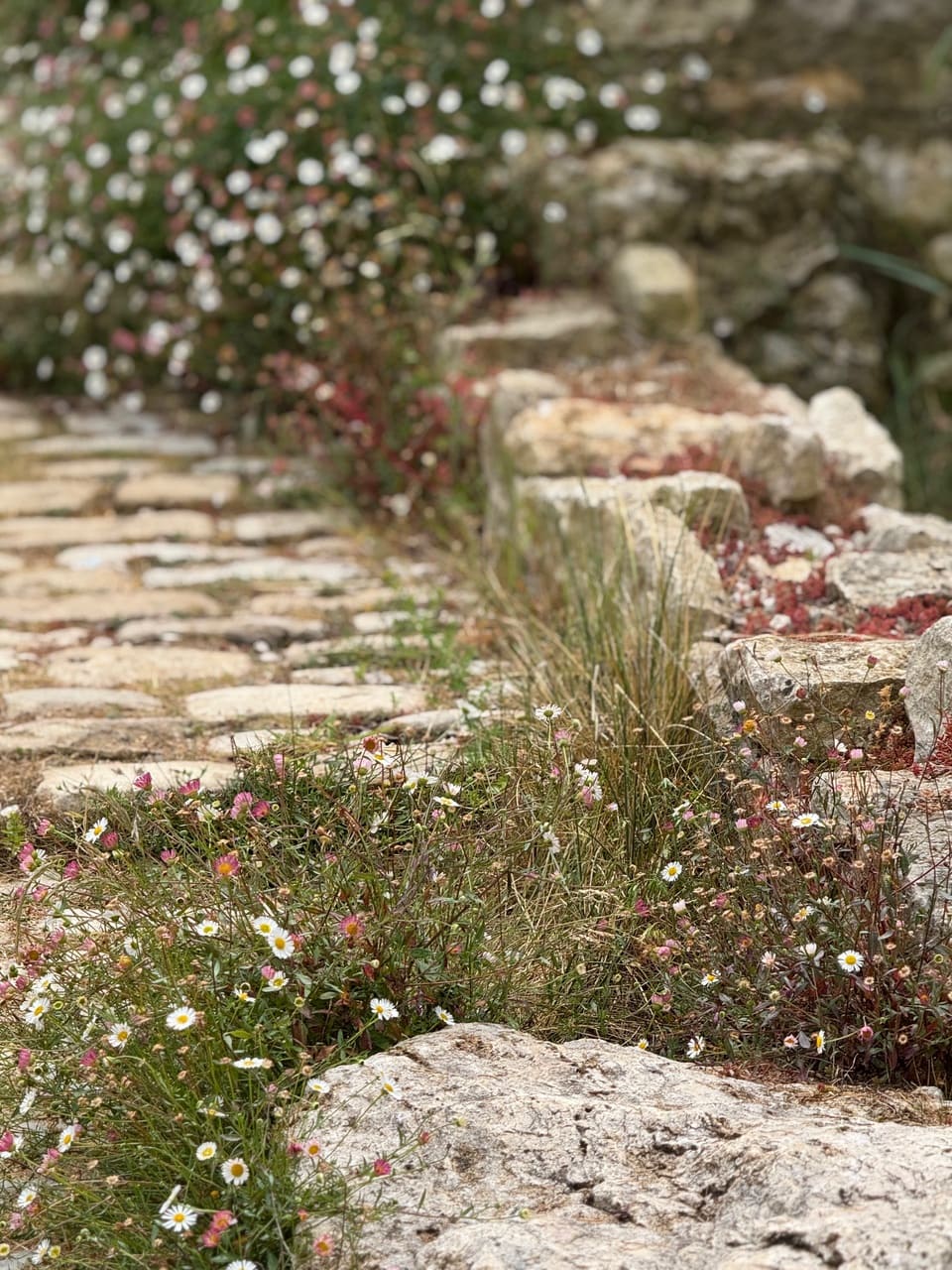
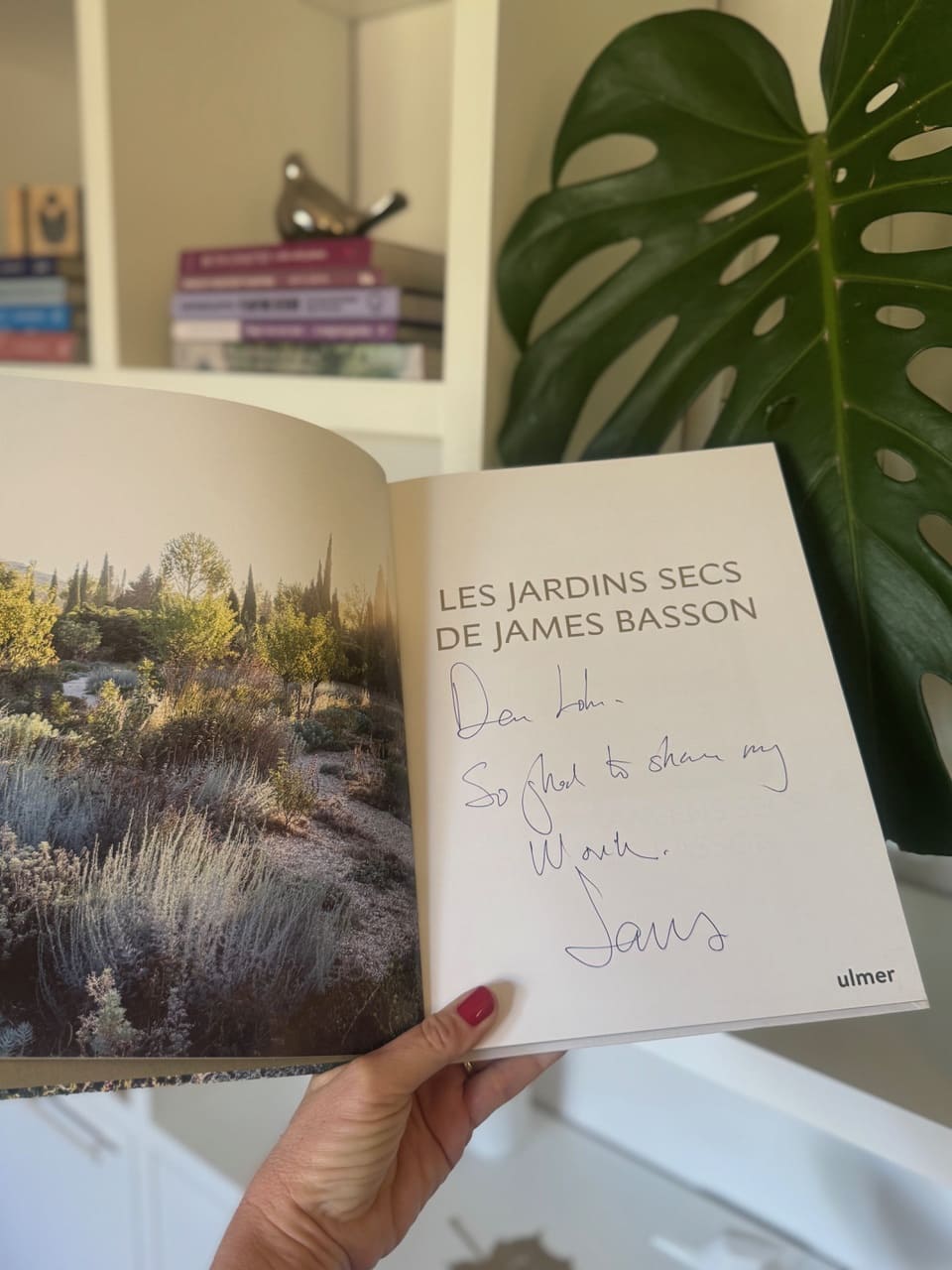
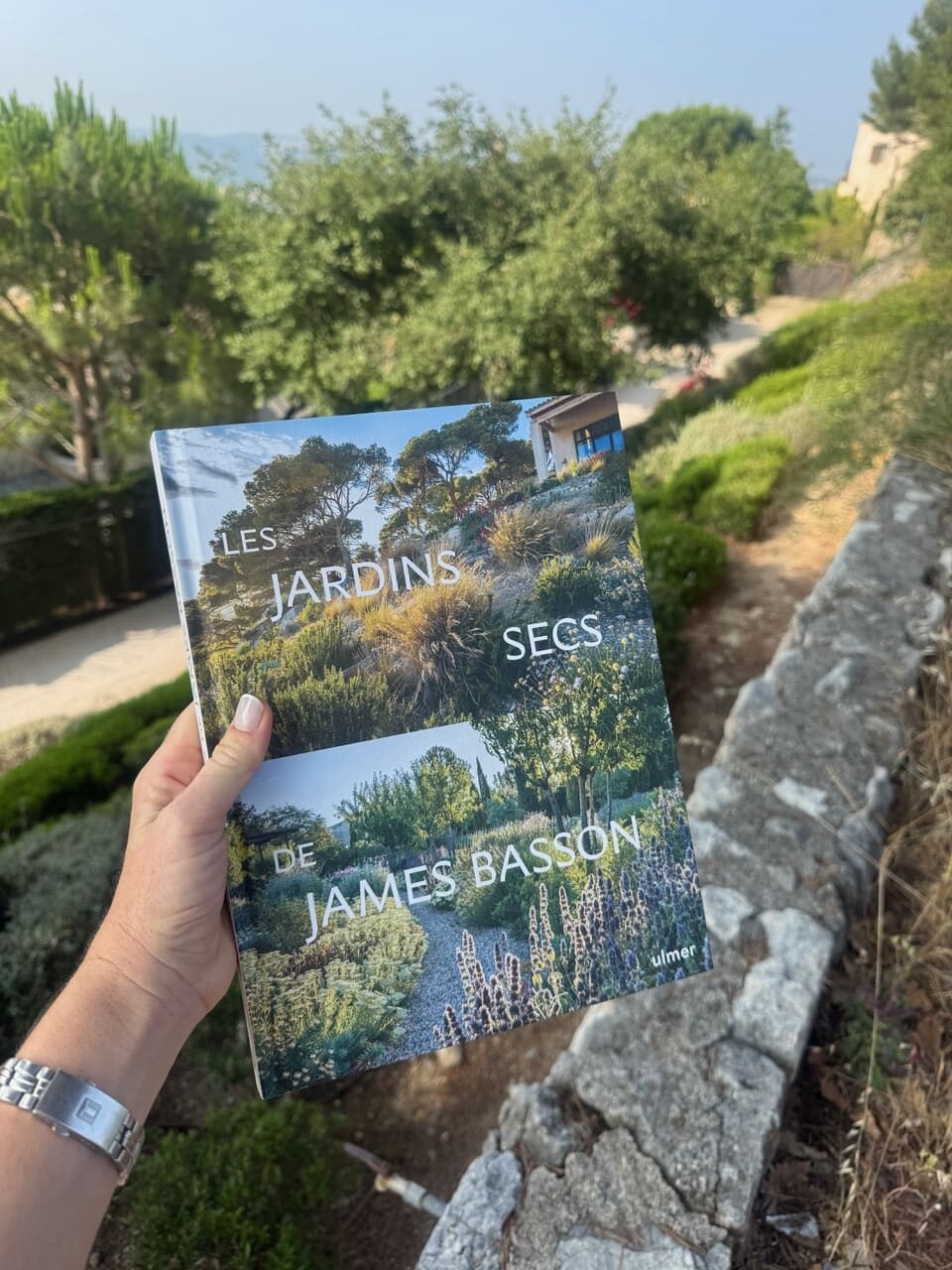
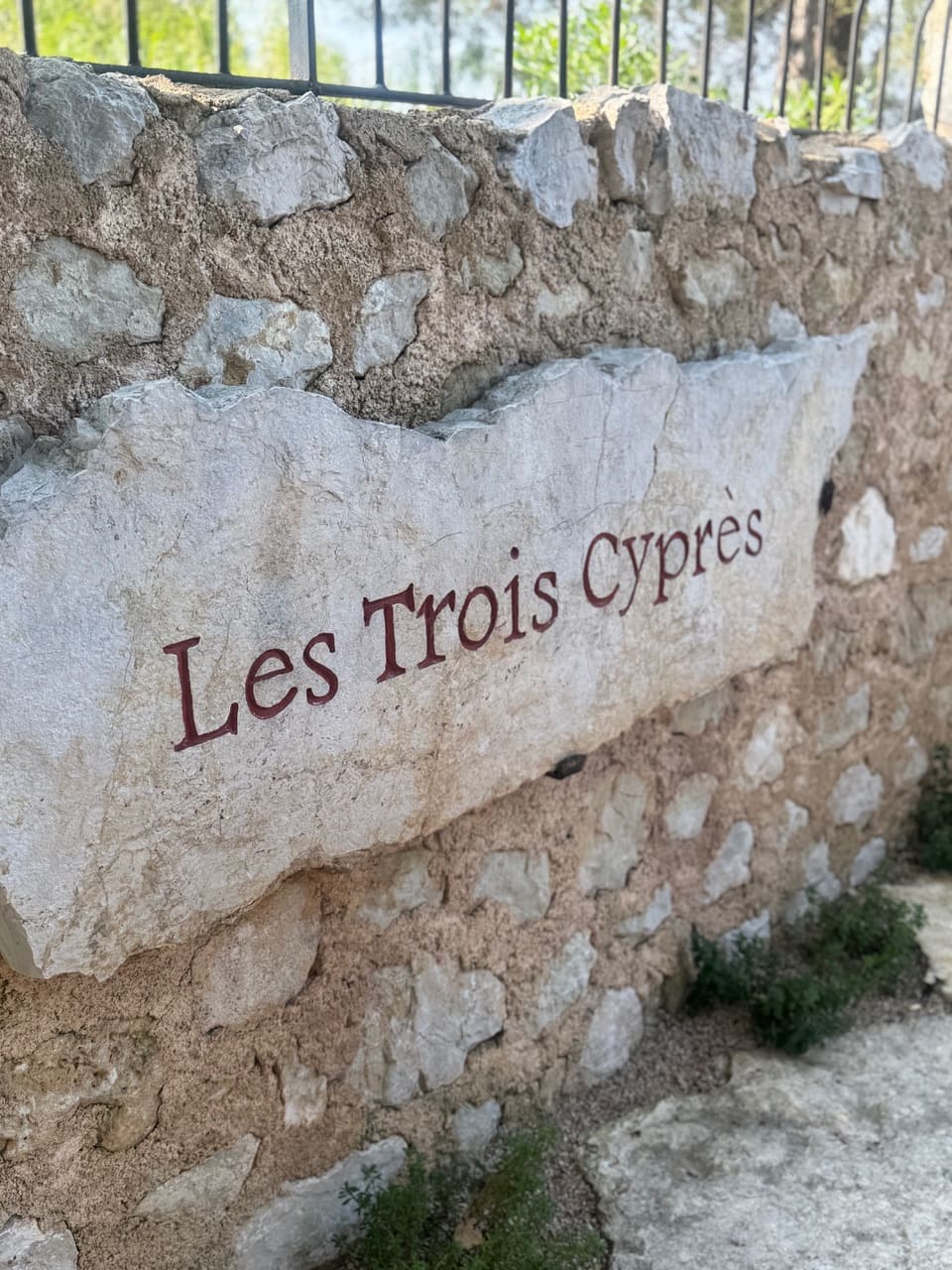
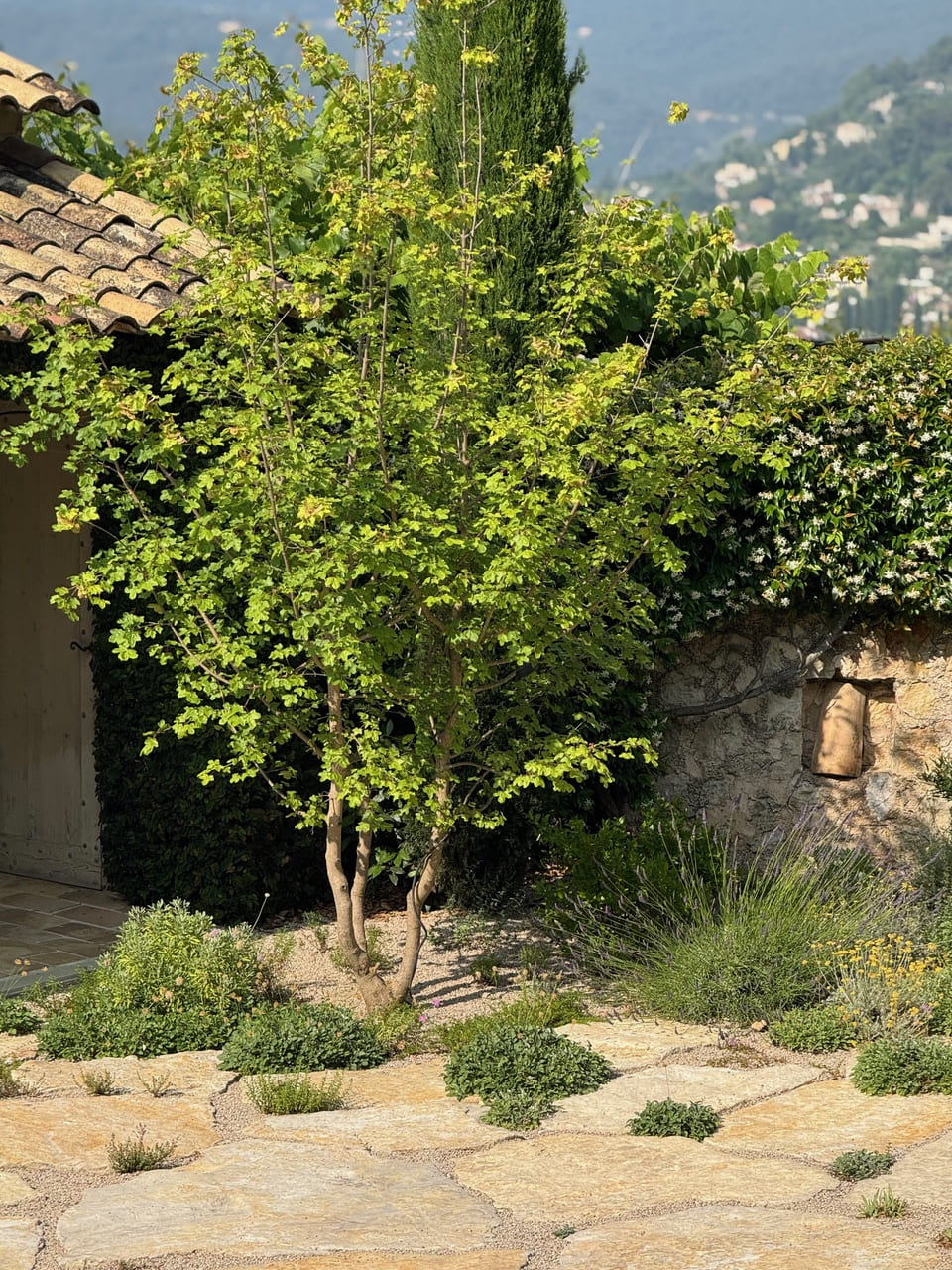
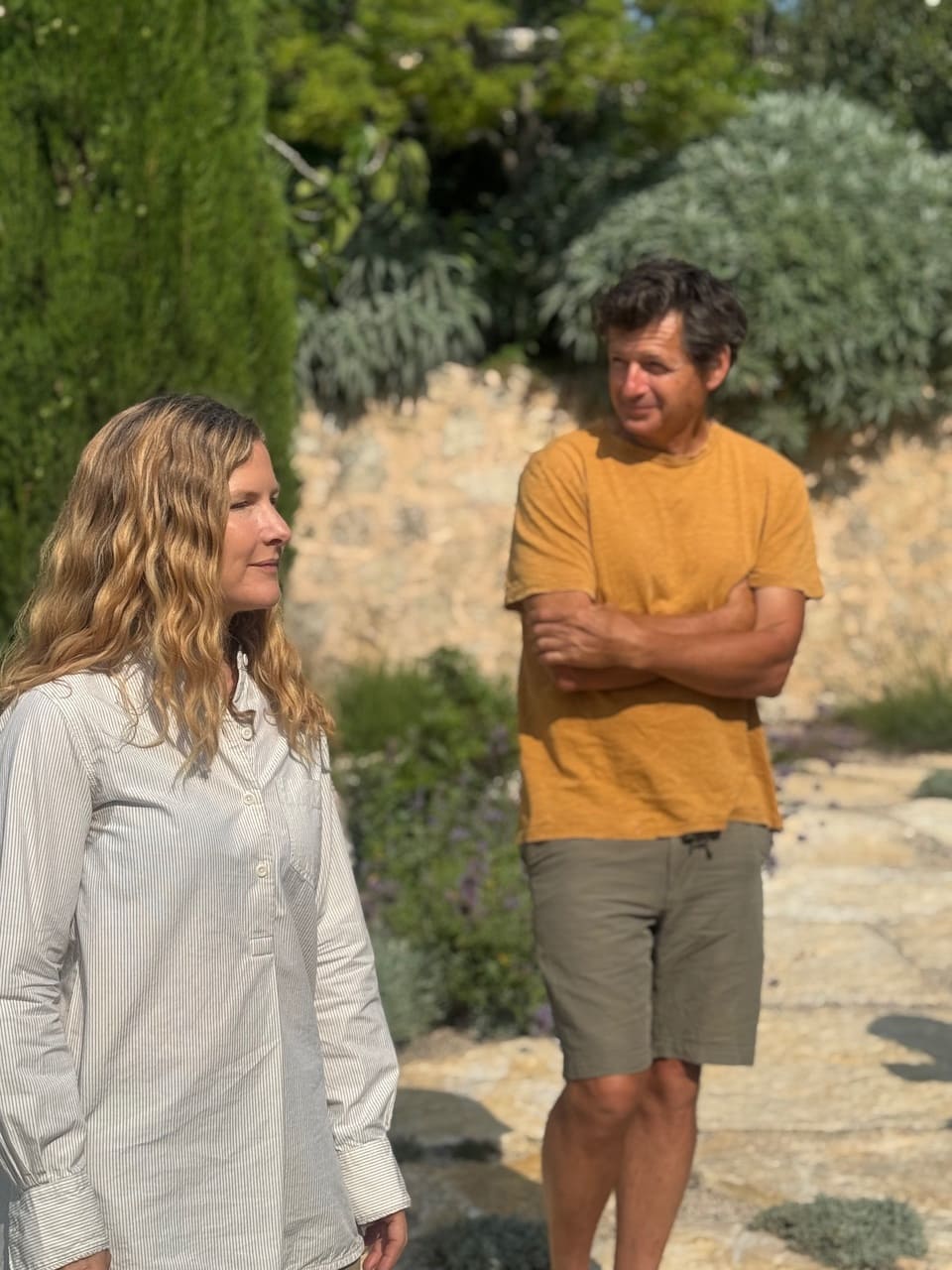
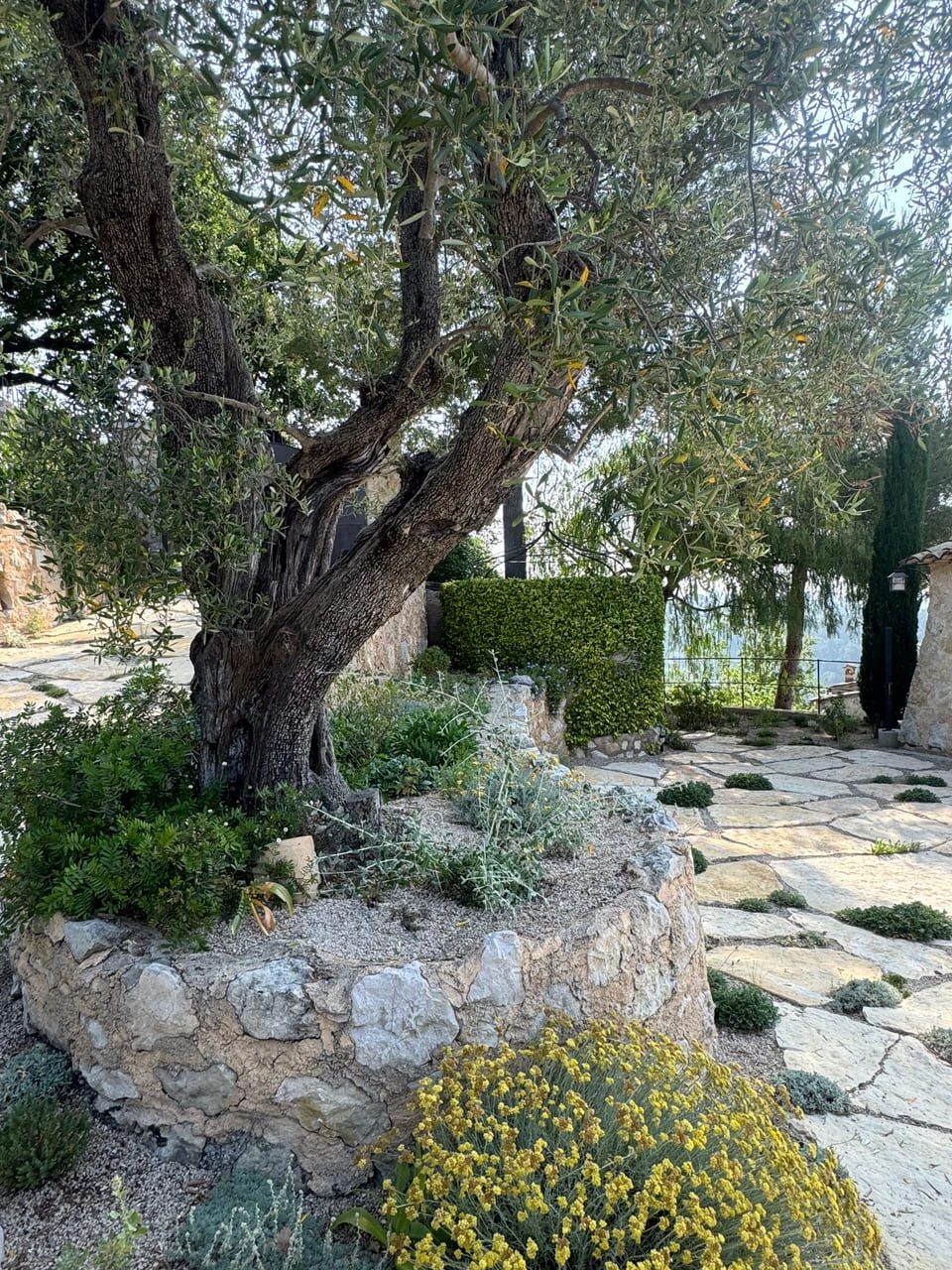
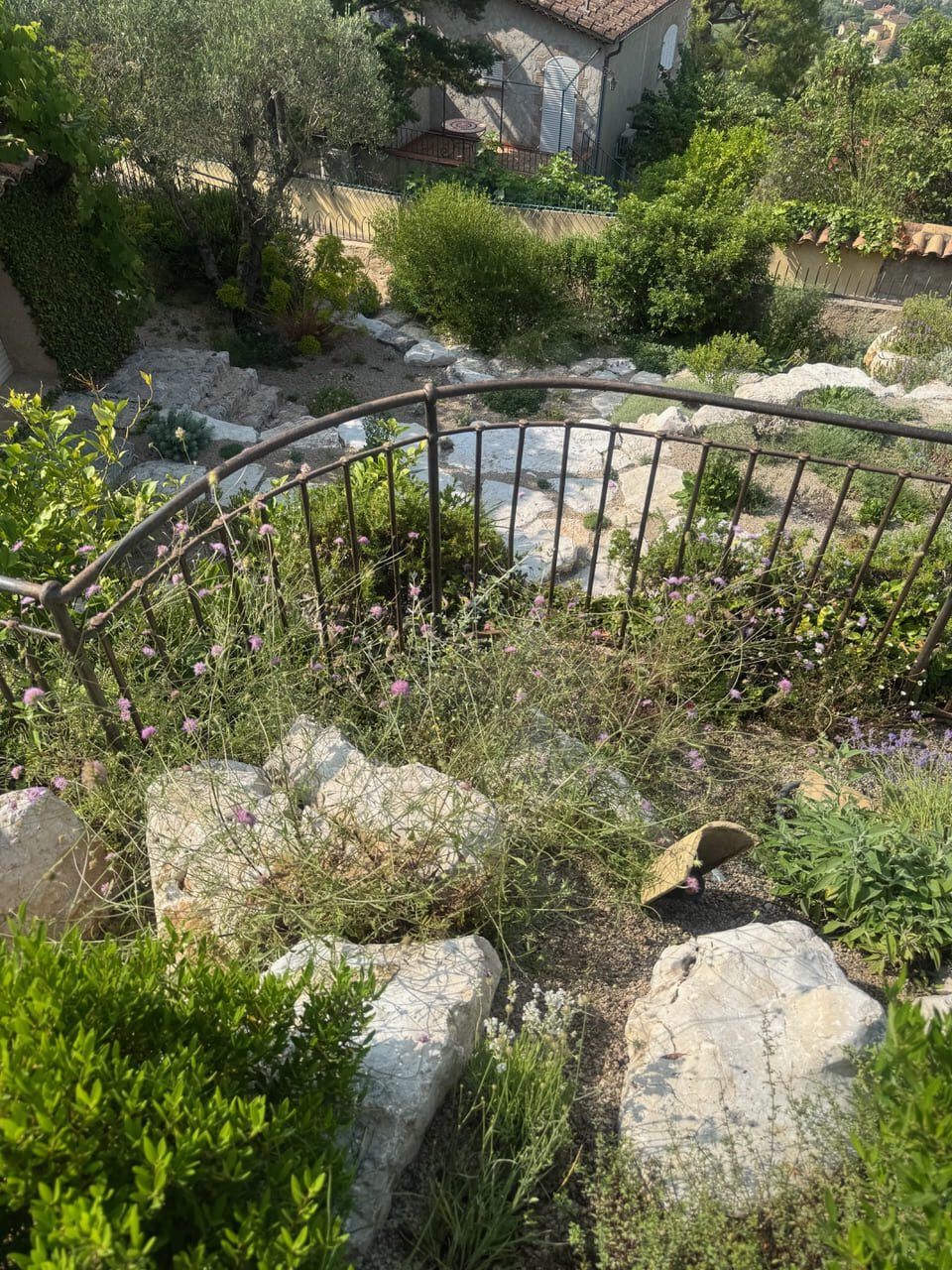
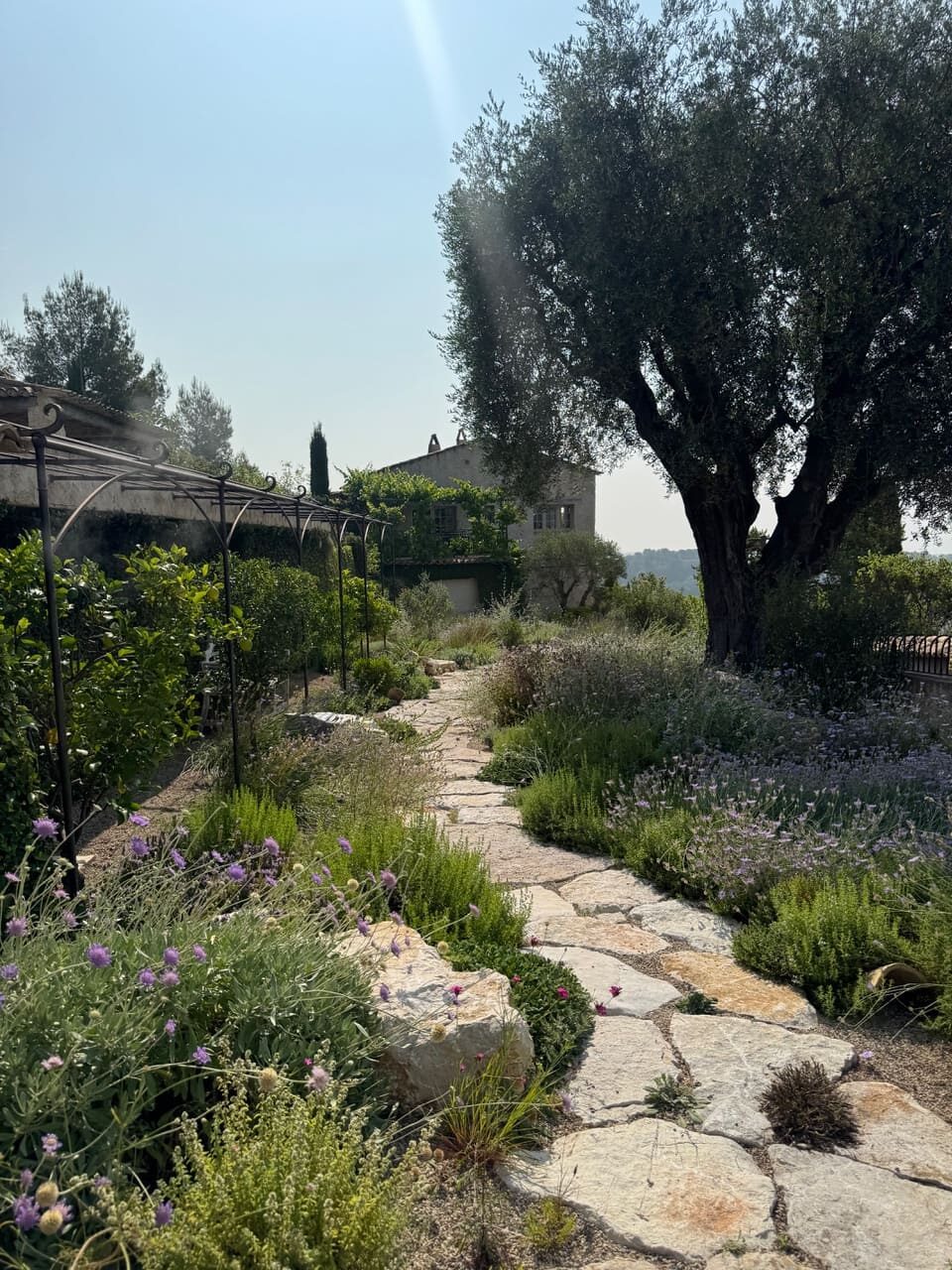
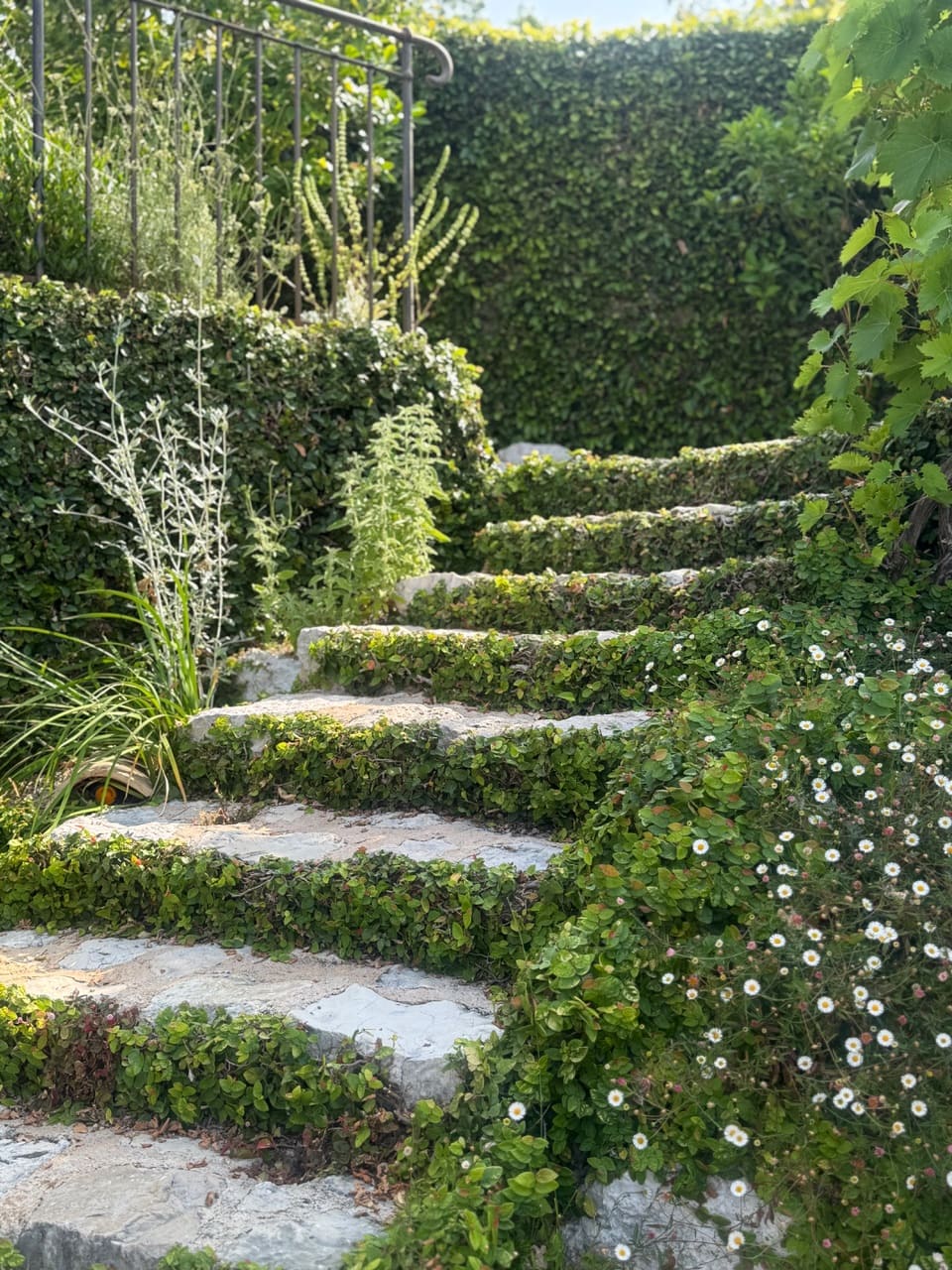
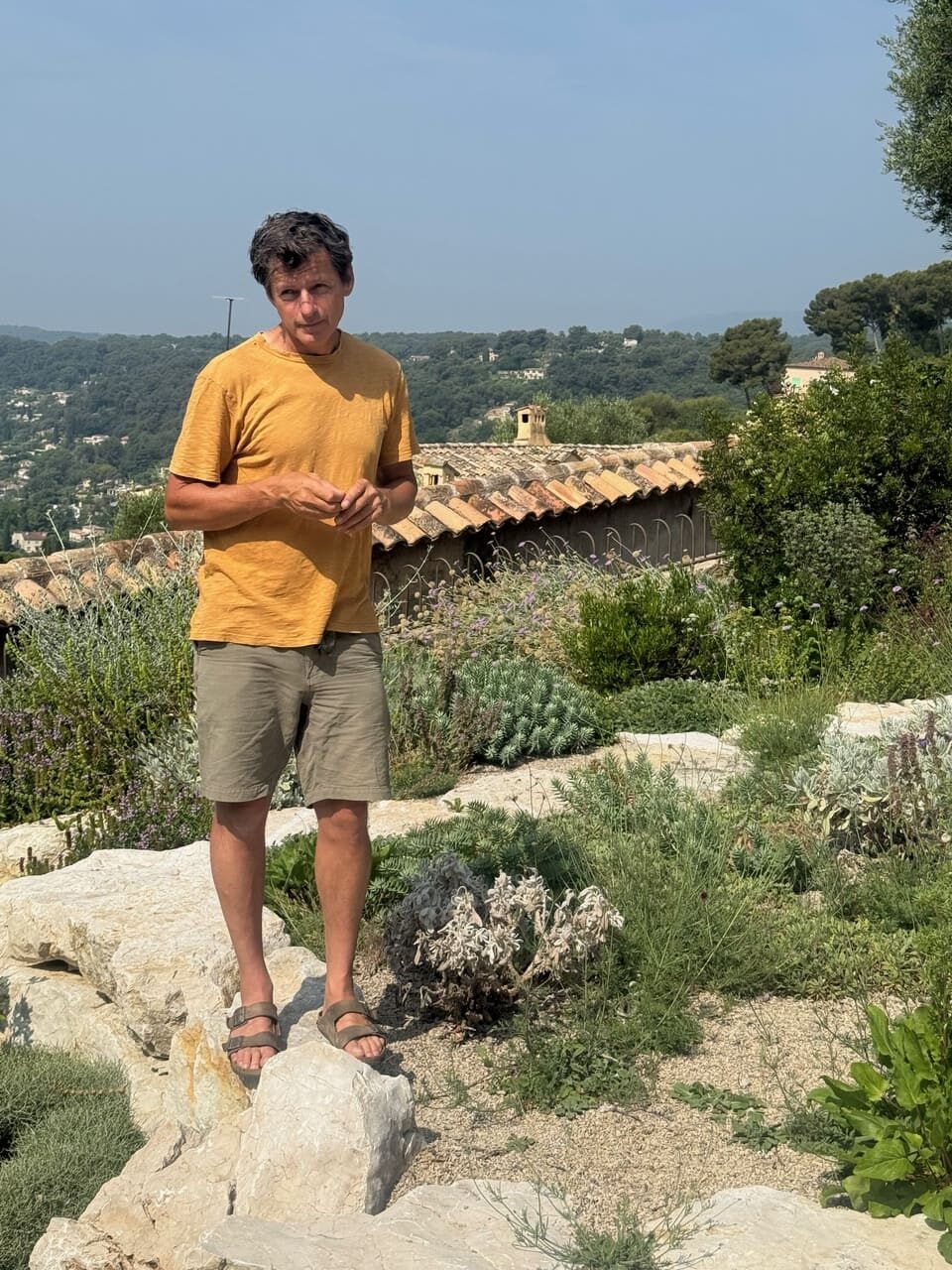
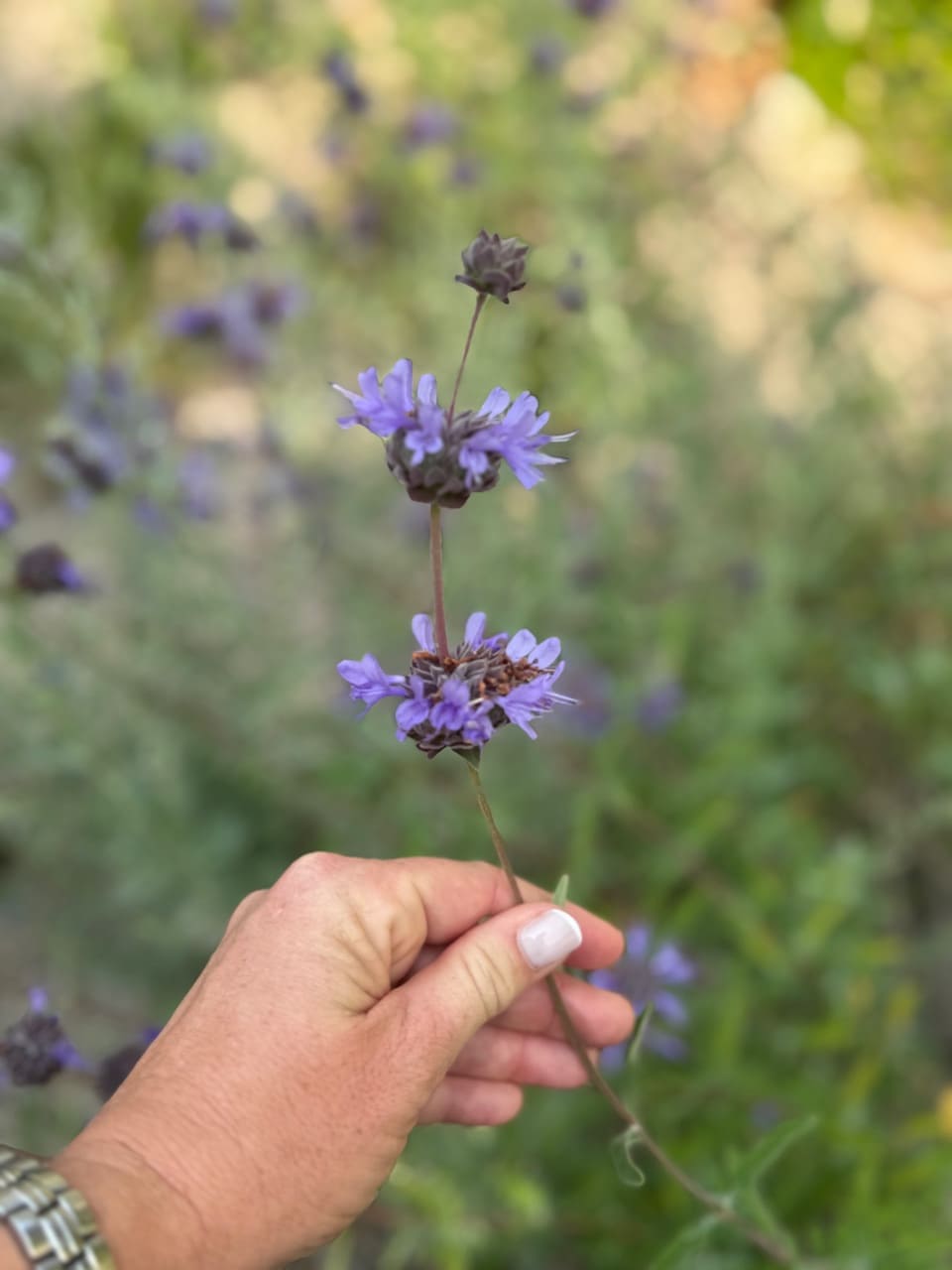
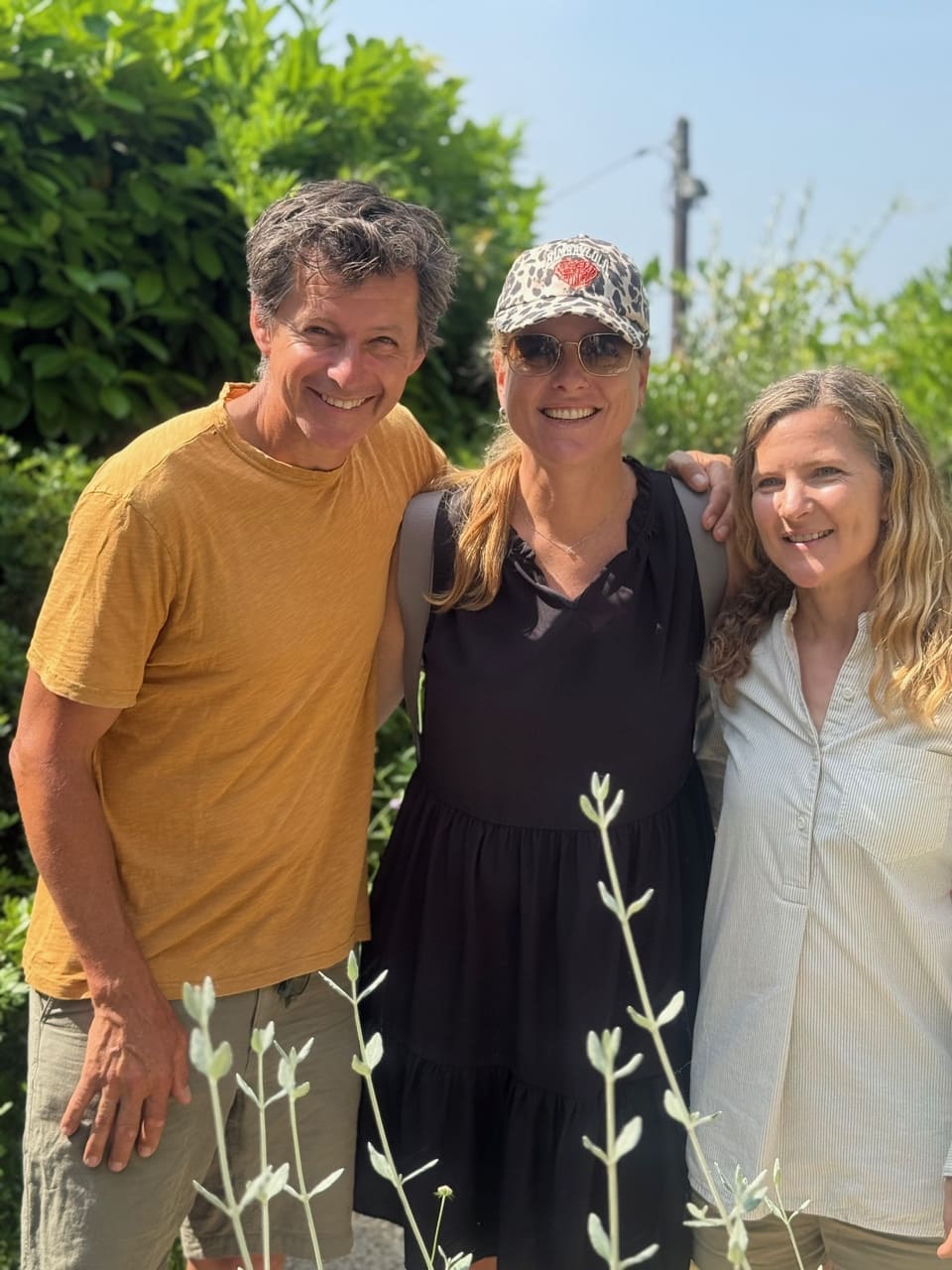
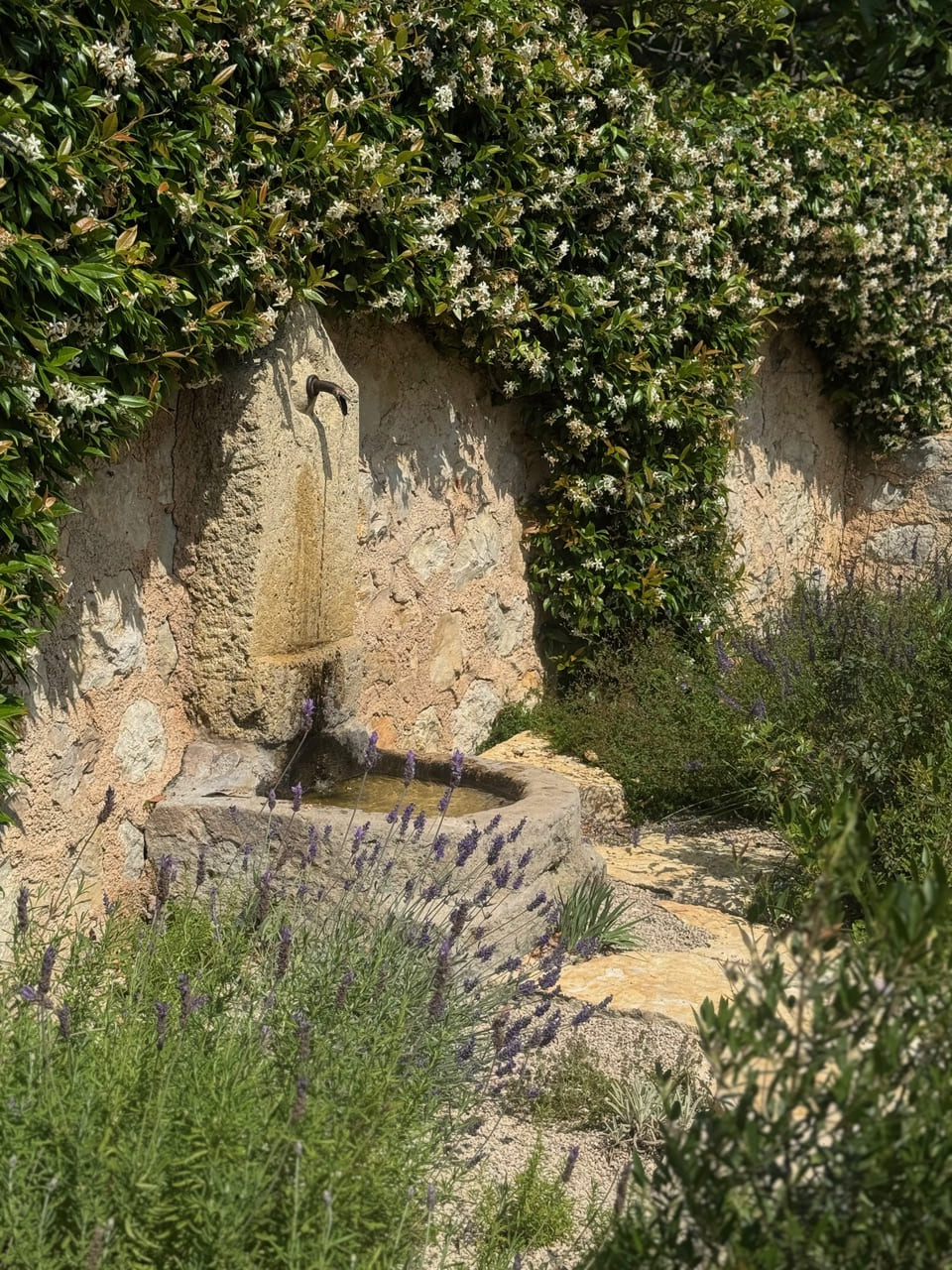
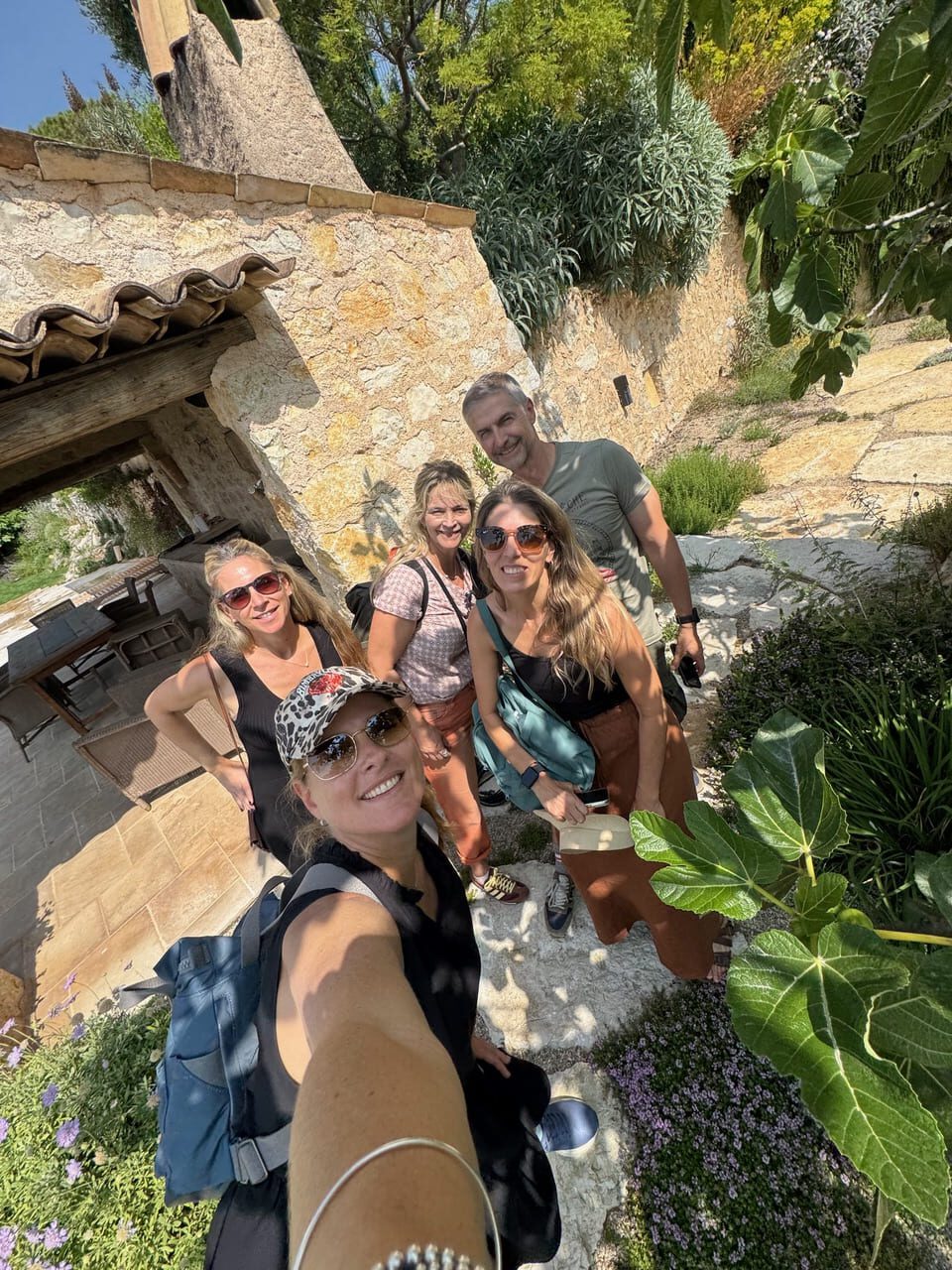
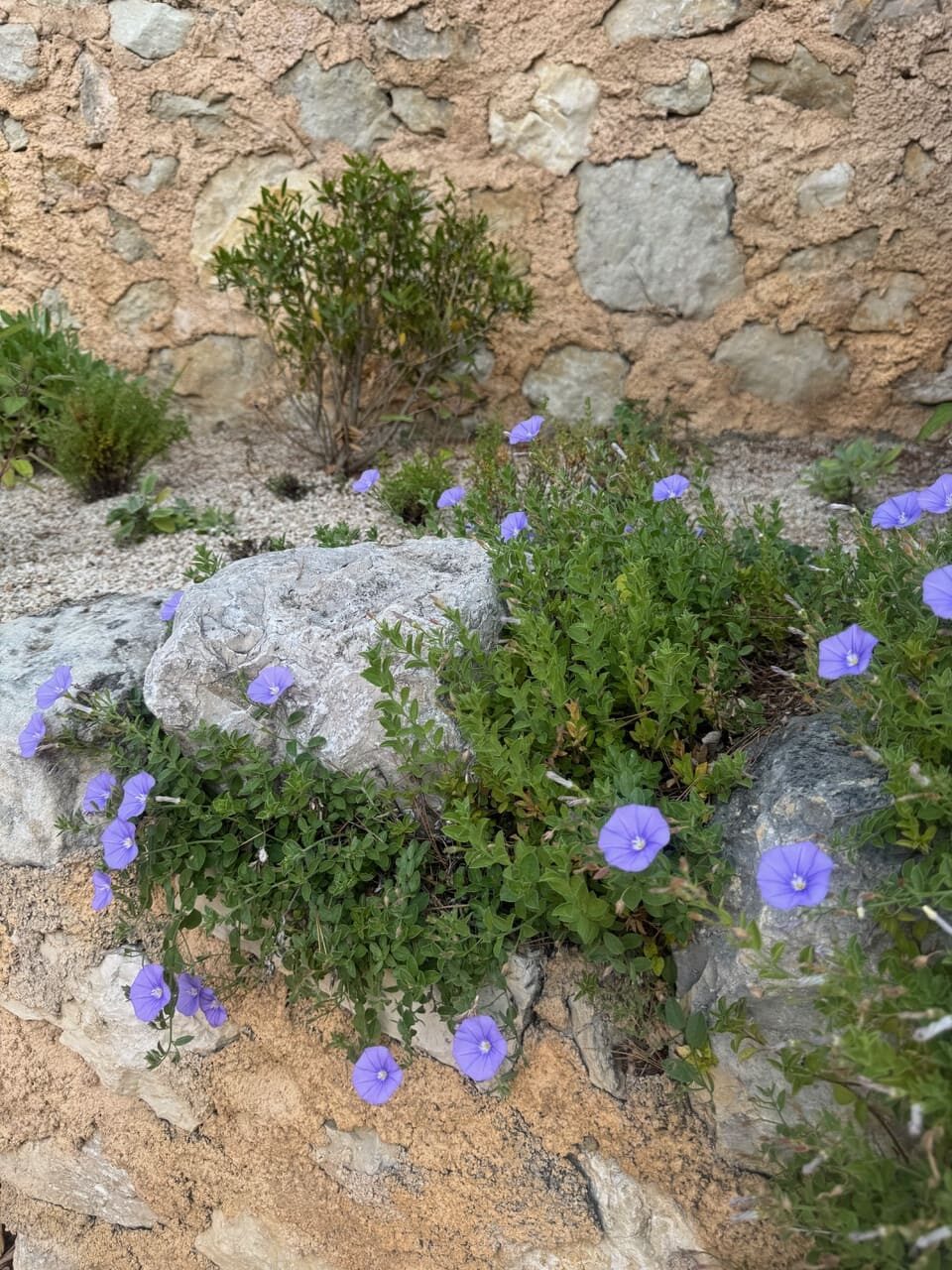
From the Studio, together with fellow landscape designers, we had the opportunity to visit a garden designed by James Basson in the French Riviera—an experience that was profoundly inspiring. His approach showed us how design can accompany nature without imposing on it. Basson creates dry gardens using resilient species, local materials, and a planting system over 20 cm of gravel.
This planting method, which uses very small plants, ensures constant drainage and encourages roots to reach the site’s natural soil. The garden we visited received irrigation only during its first few months. Its plant selection is low-maintenance and does not rely on permanent watering, demonstrating that great beauty can be achieved with ecological awareness.
Beyond aesthetics, the true value of this encounter was the exchange of ideas with a leading figure who has transformed European landscapes through a sensitive, sustainable and deeply contextual perspective. These experiences inspire us to continue rethinking the role of landscape design as a tool for conscious transformation.
At our studio, we remain committed to a design practice that listens to the place, the people and the nature that inhabits it.
James Basson is a British landscape designer based in the French Riviera since 2000, widely recognized for his ecological and minimalist approach. As co-founder of Scape Design, he combines design, ecology and sustainability. His low-maintenance dry gardens feature Mediterranean plants adapted to warm climates.
He uses matrix planting techniques, along with local materials such as stone and gravel, ensuring that each project responds to the natural context. Basson has received multiple international awards, including Best in Show at the Chelsea Flower Show 2017.
His method is rooted in ecological resilience, the use of hardy species and planting systems that mimic natural patterns—achieving a functional, efficient aesthetic with a low environmental impact.
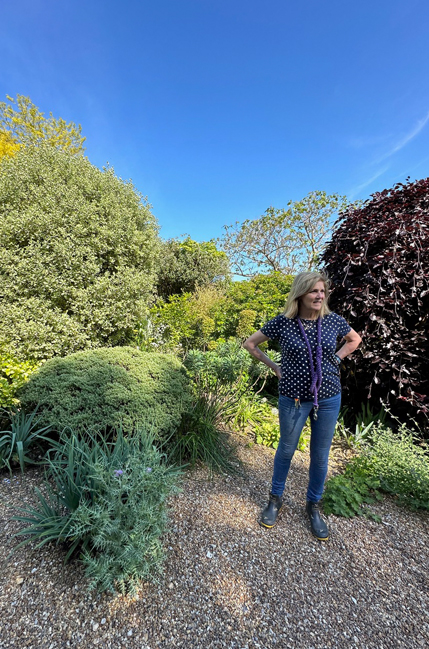
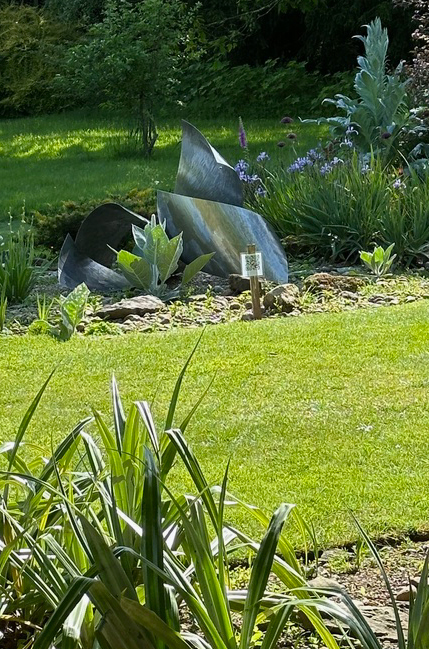
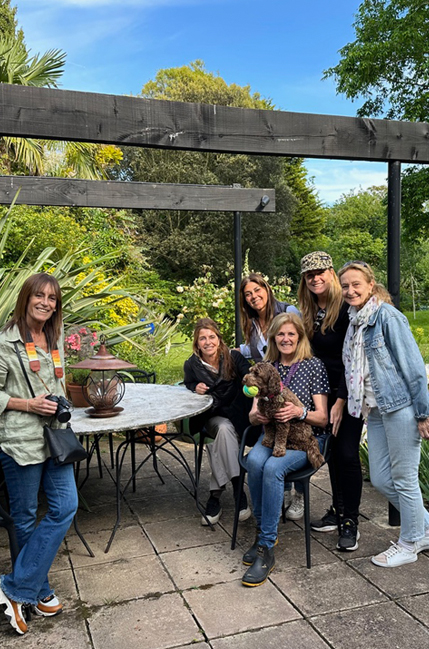
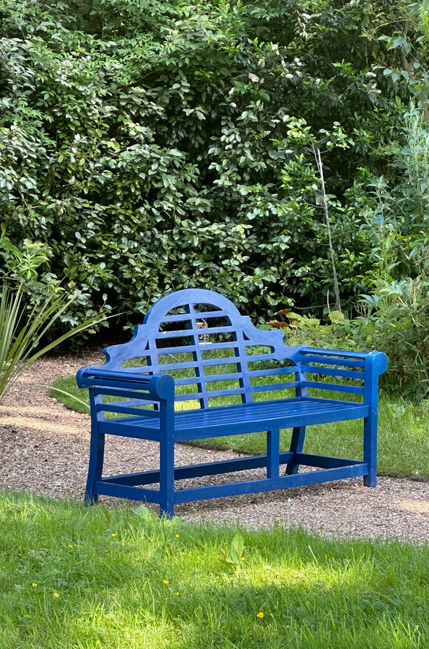
In 2024, we had the privilege of visiting the gardens of renowned landscape designers such as James Hitchmough, Nigel Dunnett, Beth Chatto, and John Brookes. The legacy of John Brookes lies in his comprehensive and profound vision of landscape design. His influence transformed the discipline into one that seeks harmony among nature, architecture, and human emotion.
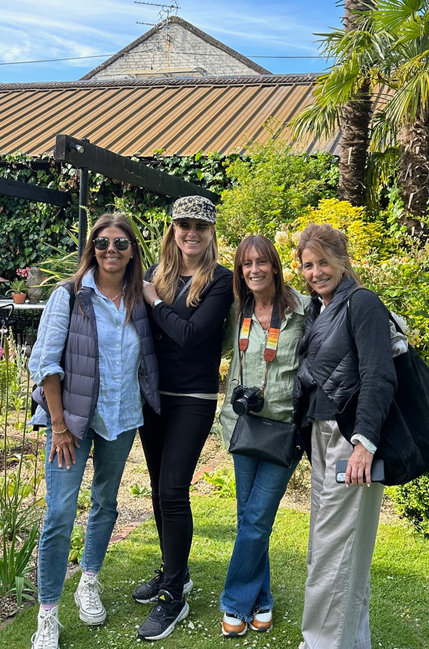
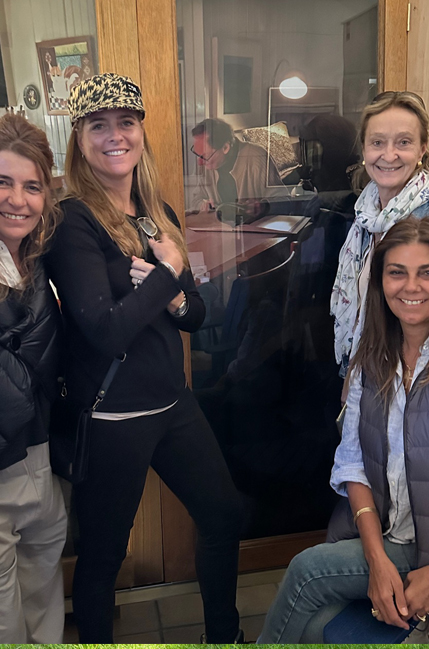
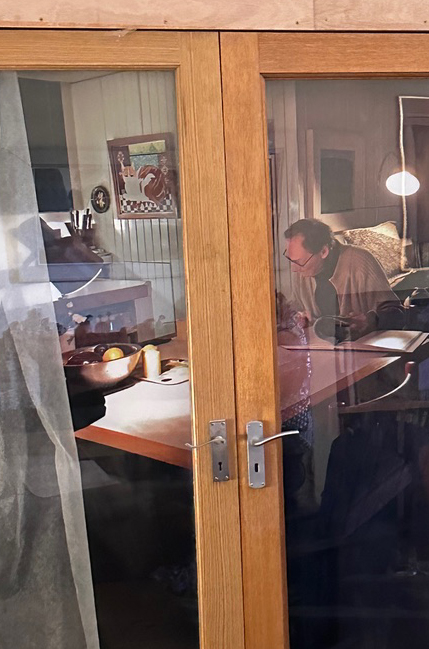
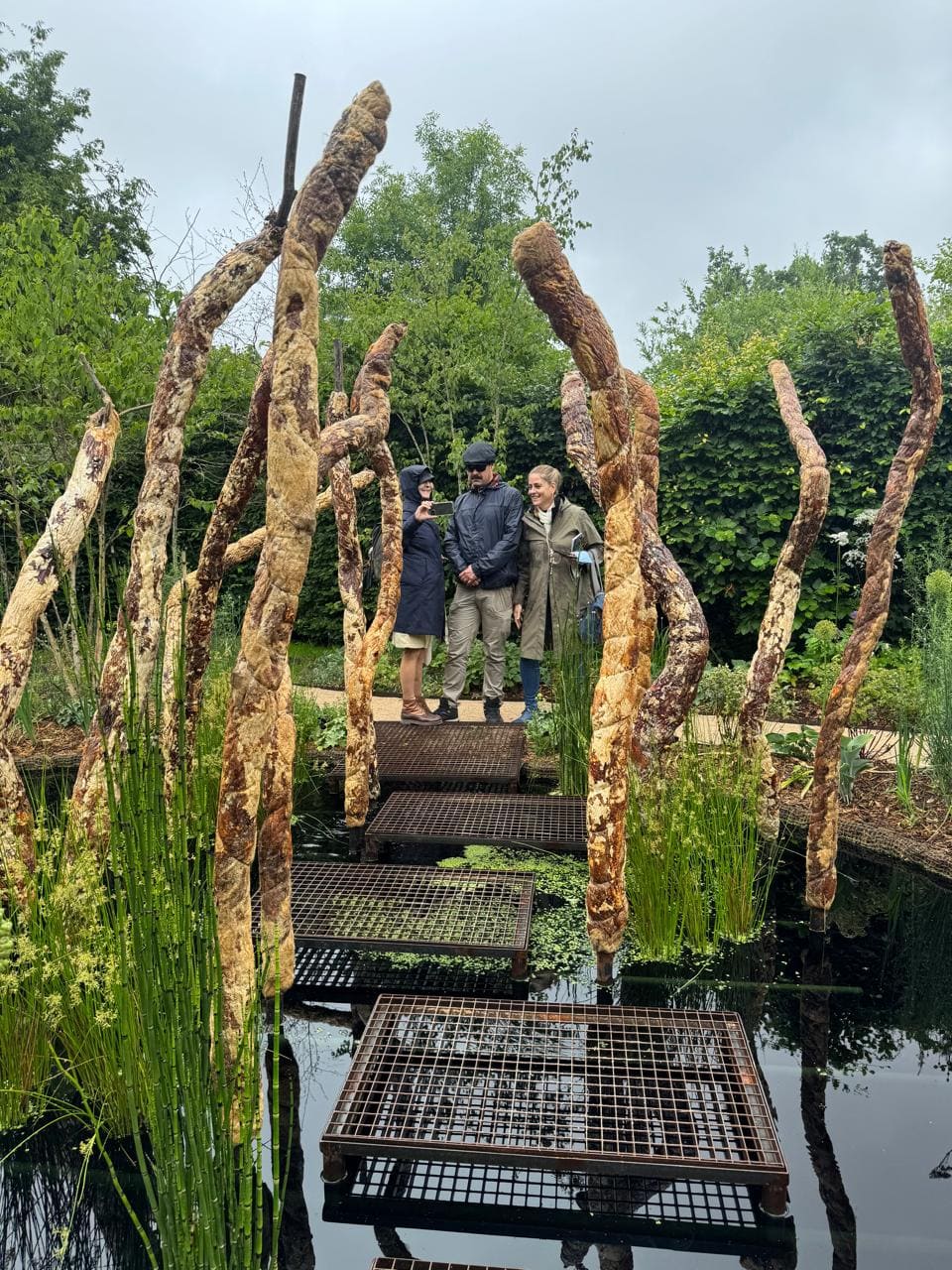
That same year, we attended the Chelsea Flower Show in England, accompanied by Andrew Duff, Principal of the Garden Design Faculty at the Inchbald School of Design in London. He is also the President of The Society of Garden Designers, reflecting his commitment to excellence in design and education. The Chelsea Flower Show is an extraordinary event showcasing innovative garden design, emerging trends, and a vibrant atmosphere.
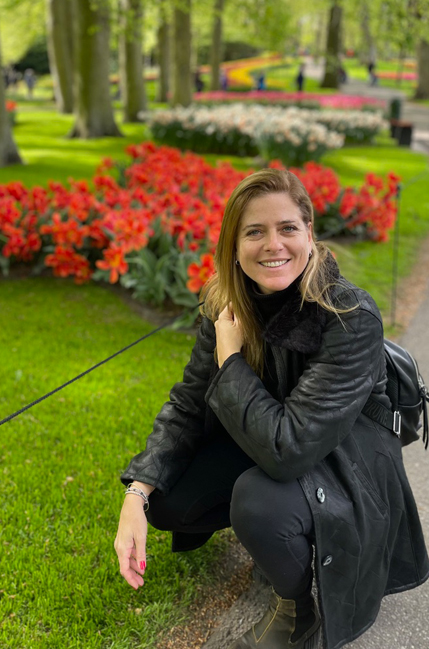
In 2022, we attended Floriade, an international exhibition promoting sustainable gardening and environmental innovation. Held every ten years in the Netherlands, Floriade is a World Horticultural Expo, classified as a Category A1 event by the International Association of Horticultural Producers and recognized by the Bureau International des Expositions. The most recent edition, Floriade 2022, took place in Almere. Also in 2022, we visited the iconic Keukenhof Park in the Netherlands, world-famous for its breathtaking tulip displays.
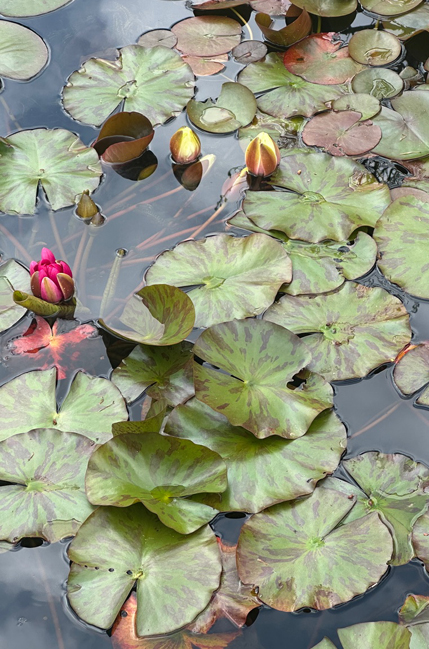
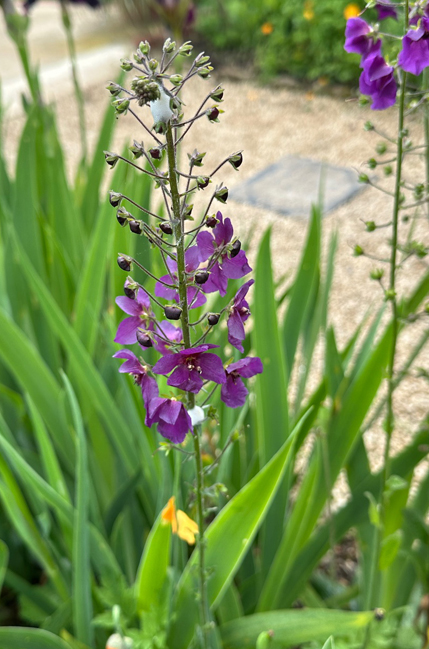
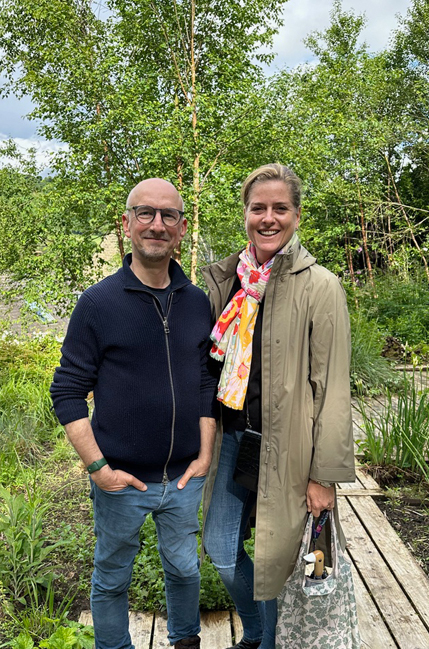
In 2022, we had the opportunity to visit an iconic garden in the Netherlands, renowned for hosting over 30 experimental gardens within its grounds. It was there that we encountered the work of Mien Ruys, a pioneering figure and global reference in garden design, celebrated for her unique approach and innovative methods in horticulture.
Exploring her garden was a deeply rewarding experience. Each space reflects a constant balance between structure and spontaneity, between design and living nature. Walking along the paths and observing how textures, shadows, and simple lines coexist with carefully selected vegetation allowed us to understand the sensitive yet rigorous vision that guided her work.
It was inspiring to see how her ideas— which marked a turning point in modern landscape design—continue to resonate today. Without a doubt, this experience reaffirmed our passion for the profession and left us with lessons that continue to guide our practice.
Mien Ruys was a prominent Dutch landscape designer, regarded as a pioneer of 20th-century modern landscape design. The daughter of a perennial plant producer, she studied landscape architecture in Germany and began designing gardens from a young age. She became known for using simple materials such as railroad sleepers and gravel paths, integrating them with naturalistic vegetation in geometric, sober, and functional compositions.
Throughout her career, she designed over 3,000 gardens and public spaces. She was also an active advocate for landscape design and founded an experimental garden in Dedemsvaart, which can still be visited today. Her legacy remains relevant for her vision of gardens that are functional, accessible, beautiful, and in harmony with nature.